
The details people remember in a well-remodeled home are often the ones they cannot see at first: a cabinet that hides the toaster, a bookcase that opens into a study, lighting that comes on at your feet. These touches work best when they are planned early, which is why we discuss them at the start of a whole-home remodel. They can make kitchens, bathrooms, and new home additions feel more personal.
So which hidden features add the most to a home remodel?
Quick Answer: Five of the most popular hidden features are appliance garages, smart lighting, hidden doors, motorized windows, and custom under-stair storage. They keep rooms uncluttered and add character without changing the look of the house. Plan them early, because many depend on framing, electrical work, or cabinetry that gets closed up during construction, and consider how each one will be serviced later.
Table of Contents
- What Is an Appliance Garage?
- How Can Smart Lighting Work as a Hidden Feature?
- Where Do Hidden Doors Make Sense in a Home?
- Are Motorized Windows Worth Adding?
- What Can You Do With the Space Under the Stairs?
- Which Hidden Feature Fits Which Room?
- How Do You Incorporate Hidden Features Into a Remodel?
- Do Hidden Features Need Maintenance?
- Do Hidden Features Add Resale Value?
What Is an Appliance Garage?
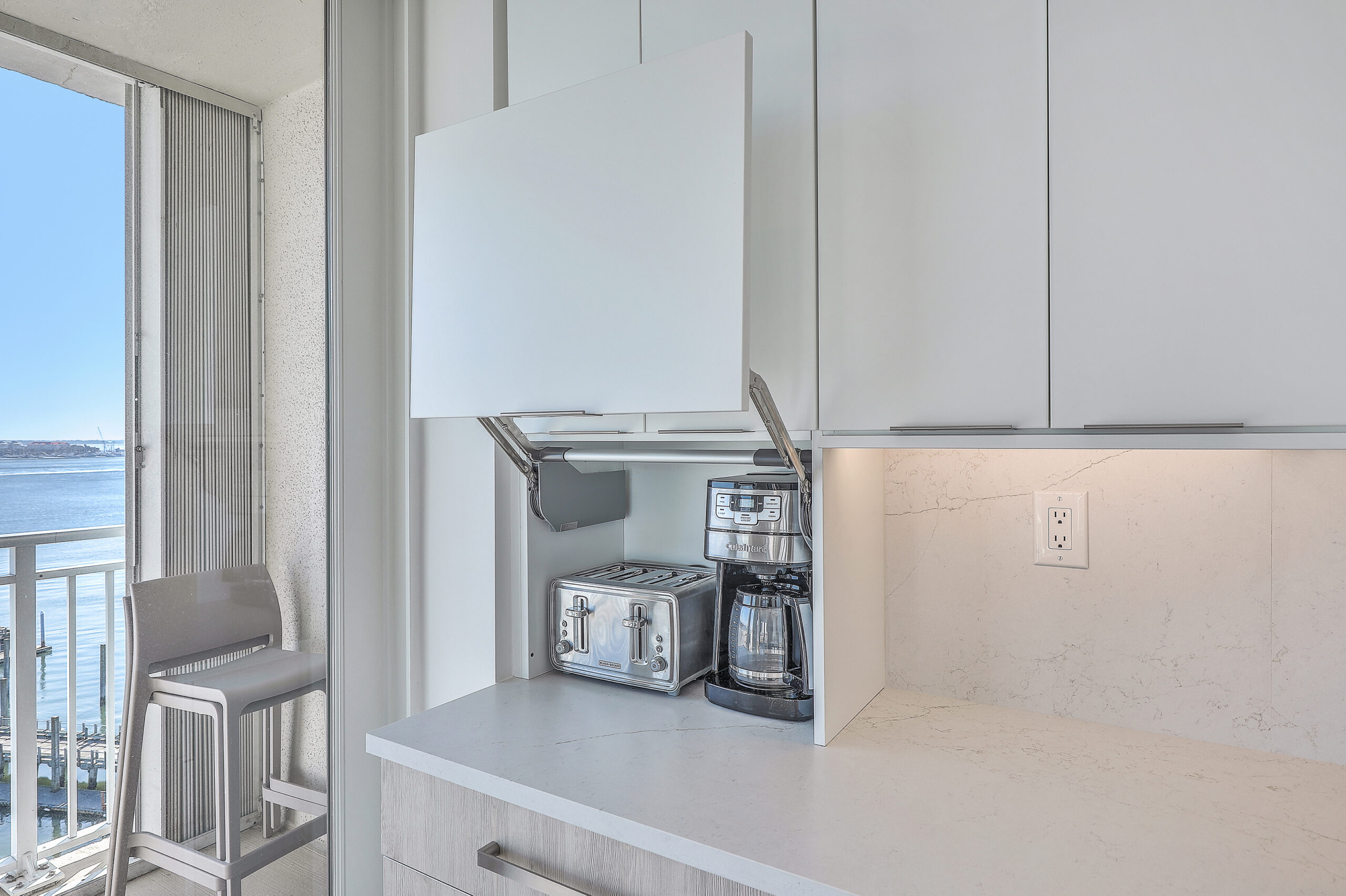
An appliance garage is a recessed cabinet nook that keeps countertop appliances out of sight and ready to use. Most kitchens leave you two poor choices: clutter on the counter, or a heavy mixer in a cabinet you can barely reach. A garage solves both problems and keeps the counters clear.
In many remodels, it is simple to add one by repurposing an unused corner cabinet or adjusting part of the backsplash wall. Plan an outlet inside so the appliances stay plugged in.
How Can Smart Lighting Work as a Hidden Feature?
Smart lighting works as a hidden feature by placing the light source out of view and letting it respond to movement or a schedule. Motion-activated lighting suits tight spots such as under kitchen cabinets. In a bathroom, soft lighting along the floor or around the shower can create a calm, spa-like effect.
LED strips also improve visibility in a walk-in closet, and upward-facing lights can highlight mantels, staircases, or artwork. Have a licensed electrician install any wired lighting.
Where Do Hidden Doors Make Sense in a Home?
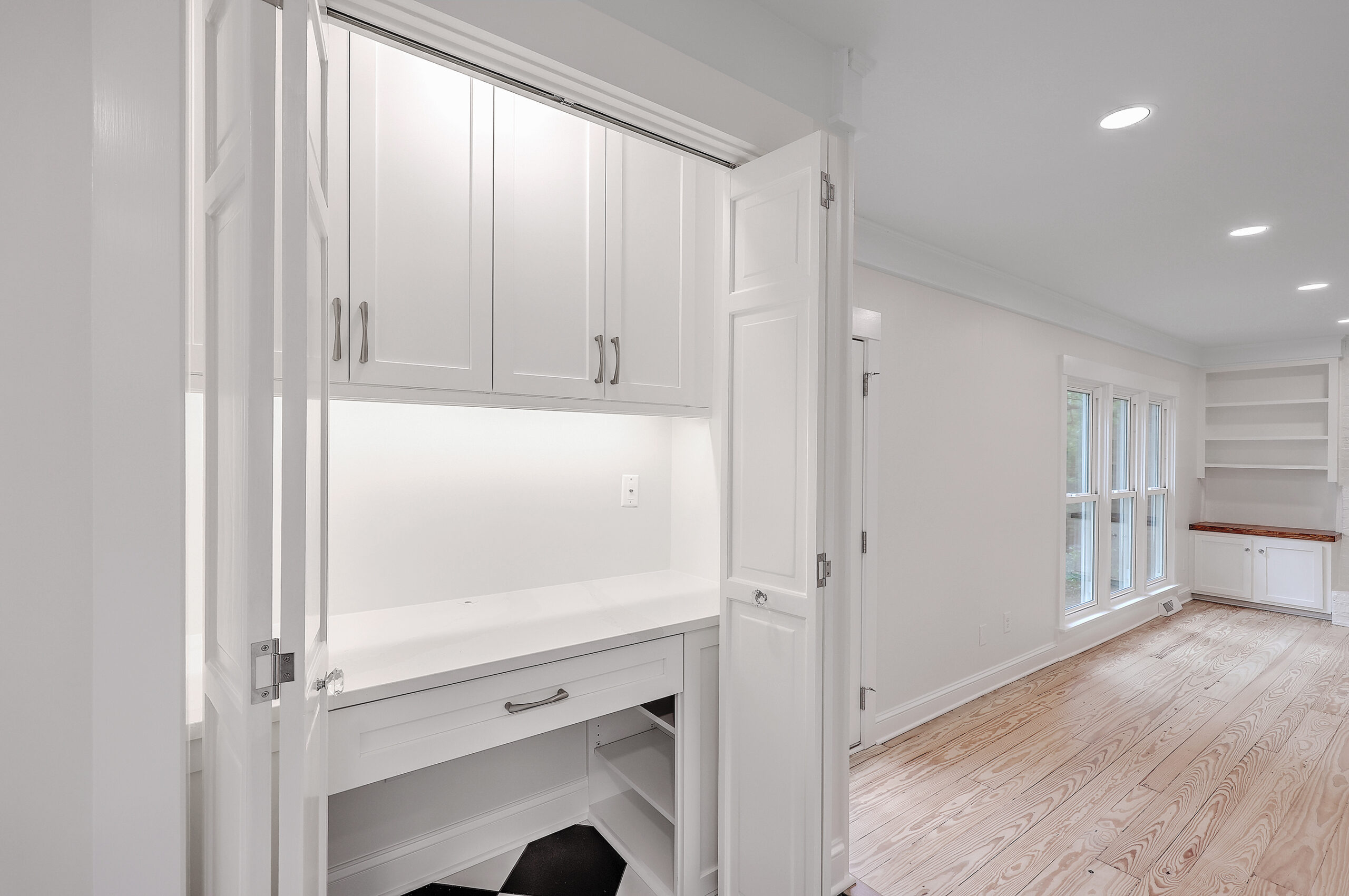
Hidden doors make sense wherever you want privacy or an uninterrupted wall. Common examples are concealed entrances to a study or library, or discreet access to a pantry or guest bath. They work well during major renovations, since the framing is often open, and they add charm that a standard door cannot.

Are Motorized Windows Worth Adding?
Motorized windows are worth adding when a window is hard to reach, such as a high transom, a skylight, or a window above a tub. One-touch operation brings in light and fresh air with no ladder required. They come in top-hung, bottom-hung, middle-mounted, and side-mounted styles, along with skylights.
In the Lowcountry, make sure any operable window or skylight is suited to wind-driven rain, and check its wind rating with the manufacturer. On a historic home, ask your local office about exterior changes first.
What Can You Do With the Space Under the Stairs?
You can turn the space under the stairs into storage or a small room with a purpose. Many homeowners leave this area unfinished, but it has real potential. Options include temperature-controlled wine storage, pull-out drawers or cubbies for shoes, and a hidden bookcase or reading nook.
If you are adding a level, plan this space from the beginning, since it is easiest to detail while the stairs are being framed.
Which Hidden Feature Fits Which Room?
The best hidden feature depends on the room and the problem you want to solve. The table below shows where each one tends to work best and what it needs behind the scenes.
| Feature | Best location | Planning need |
|---|---|---|
| Appliance garage | Kitchen | Cabinet layout and an outlet |
| Smart lighting | Kitchen, bath, closet | Electrical planning |
| Hidden door | Study, pantry, guest bath | Framing and custom millwork |
| Motorized window | High or hard-to-reach openings | Power, controls, and weather resistance |
| Under-stair storage | Hallways and additions | Clear structure and access |
How Do You Incorporate Hidden Features Into a Remodel?
You incorporate hidden features by planning them with the design, since many depend on framing, wiring, and cabinetry that is closed up early. These custom elements call for careful planning and precise work. Identify power and structural needs in advance so there are no surprises when walls are open, particularly in older homes where conditions may differ from what you expect.
Our whole house renovation planning guide shows where these decisions fit, and our remodeling services cover the design and the build.
Do Hidden Features Need Maintenance?
Yes, hidden features need maintenance, and some need more than others. Pull-out cabinets and recessed lighting may only need routine cleaning or basic electrical checks. Motorized lifts and hidden doors may call for more attention to hardware and moving parts. Humidity and salt air can also affect hinges and tracks, so plan for access panels and corrosion-resistant hardware from the start. Our seasonal maintenance tips can help you keep up.
Do Hidden Features Add Resale Value?
Hidden features can make a home more memorable to buyers, but the resale effect varies by house and market, so choose them for your own enjoyment first. Features that solve everyday problems, such as storage and lighting, tend to have broad appeal, and a carefully thought-out plan helps them look like they have always been part of the home.