
Why Choosing the Right Remodeling Partner Matters for Your Mount Pleasant Home
Your home is likely your largest investment, and a remodeling project touches nearly every aspect of daily life during construction. The contractor you select will influence everything from your final budget to the structural integrity of your additions, the longevity of your kitchen finishes, and whether your historic home’s character survives the modernization process intact.
Many homeowners in the Mount Pleasant and Charleston area discover too late that working with an inexperienced or poorly organized remodeling firm creates stress, cost overruns, and compromised quality. When a contractor lacks clear communication systems or doesn’t understand local building codes and historic preservation requirements, a six-month kitchen renovation can stretch to ten months, and a budget of $75,000 can swell to $100,000 without clear justification.
The right remodeling partner brings three critical elements to your project: deep local knowledge of Mount Pleasant’s building environment, a structured process that keeps you informed at every stage, and genuine craftspeople who understand both modern functionality and timeless design. We’ve spent three decades building relationships with local suppliers, understanding Lowcountry architecture, and learning how our community’s humidity, salt air, and foundation conditions affect material selections and construction methods.
Selecting a remodeling company isn’t just about finding the lowest bid or the most impressive portfolio. It’s about aligning your home improvement goals with a team that understands your neighborhood’s unique characteristics, respects your investment, and has the systems in place to deliver on promises.
The Design-Build Advantage: How We Approach Complex Renovations
Traditional remodeling separates design from construction. An architect creates plans, you hire a contractor to build them, and if conflicts arise during building, you’re caught in the middle managing change orders and disputes. Design-build remodeling services work differently because design and construction operate as one integrated team from the first consultation.
When our designers and builders collaborate from the start, we identify potential issues before they become expensive problems. A designer might propose a layout that sounds ideal in theory, but our construction team immediately recognizes that moving plumbing lines in your 1920s home will require rerouting through a structural wall. In a design-build model, we solve this together during planning, not during construction when walls are open and timelines are tight.
This approach also means realistic budgeting. Rather than designers creating beautiful plans with no cost input, our builders provide real-time cost feedback as designs develop. You see the trade-offs: upgrading to natural stone countertops might mean scaling back the appliance package, or choosing custom cabinetry might reduce the scope of the tile work. These decisions happen intentionally during planning, not as painful compromises during construction.
For homeowners with complex needs, the design-build model saves time and money while reducing stress. You work with fewer vendors, communicate with one project manager rather than juggling multiple contractors, and avoid the finger-pointing that happens when design and construction aren’t aligned.
Our Three-Step Project Planning Process for Clarity and Control
We’ve learned that most homeowner frustration stems from unclear expectations rather than construction challenges. That’s why we’ve developed a structured three-step planning process that ensures you understand exactly what we’ll build, how long it will take, and what you’ll pay before any demolition begins.
Step One: Discovery and Conceptual Planning. We meet in your home to understand your daily life, your pain points with your current space, your style preferences, and your budget range. We ask detailed questions: How do you cook? Who gathers in the kitchen? Do you entertain frequently? For a bathroom, we explore your morning routine, your storage needs, and whether you prefer a spa-like retreat or a functional family bathroom. This isn’t generic consultation; we’re learning your specific home and your specific needs.
During this phase, we create initial sketches and discuss material options at a conceptual level. You’re not making final decisions yet; we’re exploring directions and building shared vision. We provide a preliminary budget range based on your project scope and finishes level.
Step Two: Detailed Design Development. Once we’ve aligned on direction, we create detailed architectural plans, three-dimensional renderings, and precise material specifications. You see exactly what your kitchen, bathroom, or addition will look like. These plans include building code compliance details, MEP (mechanical, electrical, plumbing) drawings, and structural considerations specific to your home’s age and condition.
We provide a detailed written estimate that breaks down every cost category: labor, materials, permits, contingency, and project management. Nothing surprises you because everything is documented and explained.
Step Three: Construction and Quality Management. Before breaking ground, you’ve already approved plans and pricing. Our project manager maintains a documented schedule, handles all municipal permits and inspections, manages the trade schedule, and communicates progress weekly. You know what to expect each week and understand any adjustments before they happen.
This structured approach transforms remodeling from a source of anxiety into a manageable process where you’re informed, involved, and in control.
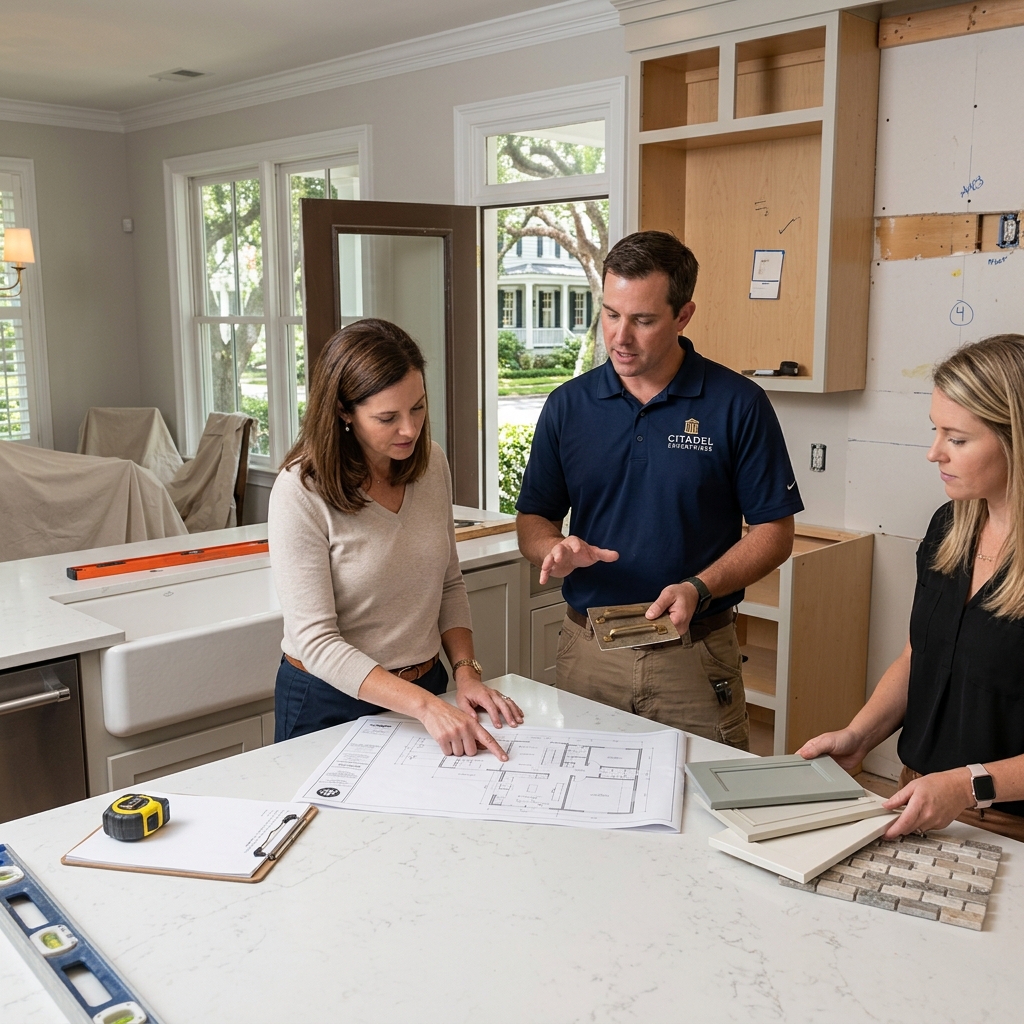
Kitchen Renovations That Combine Function and Timeless Design
A kitchen remodeling is often the most visible transformation in a home, affecting daily routines, entertaining, and home value. We approach kitchen design by balancing current functionality with aesthetics that won’t feel dated within five years.
Many homeowners chase trendy finishes: the particular shade of gray, the newest cabinet hardware, the Instagram-worthy tile backsplash. These trend-driven choices inevitably age quickly. Instead, we emphasize classic design foundations: quality cabinetry in neutral tones, durable countertops in timeless materials like granite or quartz, and backsplash tile that complements rather than dominates the space.
The functionality aspect matters equally. Layout determines how efficiently you’ll use the space. We design with the work triangle in mind (sink, stove, refrigerator positioning), ensure adequate counter workspace near key appliances, and incorporate storage solutions that match how your household actually uses the kitchen. A busy family with teenagers needs different storage and counter space than an empty-nester couple who entertains frequently.
Material selections reflect Lowcountry conditions. We choose cabinet finishes and hardware resistant to humidity fluctuations. For countertops, we favor materials that handle heat and moisture without degradation. Flooring options consider the transition from kitchen to the rest of your home, durability for foot traffic, and maintenance requirements.
Lighting design often gets overlooked but dramatically affects how the space functions and feels. We layer ambient lighting (overhead), task lighting (under cabinets near work surfaces), and accent lighting (over islands or specific features) so the kitchen adapts to morning coffee prep, evening cooking, and entertaining.
Your next step: Schedule a kitchen consultation to discuss your current frustrations and vision for the space.
Bathroom Remodeling: Creating Spa-Like Spaces That Last Decades
Bathroom remodeling ranks among the highest return-on-investment home improvements, but only when the design balances luxury feel with real-world durability. We create bathrooms that feel like a daily retreat while standing up to the moisture, temperature, and daily wear that bathrooms endure.
The foundation is moisture management. In Charleston’s humid climate, proper ventilation and waterproofing aren’t afterthoughts; they’re the critical infrastructure that prevents mold, rot, and structural damage years down the road. We specify exhaust ventilation sized appropriately for your bathroom’s square footage, ductwork that vents completely outside (not into attics), and moisture barriers behind tile work that prevent water from reaching structural framing.
For the visual and tactile experience, we focus on materials and layouts that feel intentional rather than cramped. A properly sized vanity with quality cabinetry and real storage creates a composed environment. Tile work frames the space intentionally rather than filling walls with trendy patterns that overwhelm. Lighting design specifically addresses the challenging angles and shadows near mirrors, ensuring you have clear, shadow-free visibility without harsh glare.
Fixture selection balances aesthetics and functionality. We recommend quality faucets and hardware that will still operate smoothly after fifteen years of daily use, not brass-plated alternatives that corrode in Lowcountry humidity. For showers and tubs, we discuss your bathing preferences: Do you take long baths? Is your shower a quick morning ritual? Should the shower feel open and spacious or intimate and enclosed? These preferences drive layout and fixture selection.
The spa-like feeling often comes from small details: heated towel racks, heated flooring in cooler months, recessed lighting that’s bright enough to function but soft enough for relaxation, natural materials like stone that feel substantial and permanent. Even modest bathroom remodels feel elevated when every element serves both function and aesthetic purpose.
Historic Home Restoration: Preserving Charleston’s Architectural Heritage
Mount Pleasant and Charleston boast exceptional historic properties, many dating to the 1800s and early 1900s. These homes require a specialized approach to remodeling that honors architectural character while meeting modern building codes and lifestyle expectations.
Historic homes present specific challenges: uneven floors indicating settling, plaster walls that can’t be treated like modern drywall, electrical and plumbing systems installed decades ago with limited capacity, and structural systems that respond differently to renovations than modern construction. More importantly, modifying a historic home requires understanding what makes it architecturally significant and preserving those character elements through the modernization process.
We work within local historic district guidelines where applicable, understanding that certain modifications require approval from architectural review boards. More importantly, we believe in preserving historic character not because regulations require it, but because these homes tell stories through their proportions, materials, and details. A hand-planed 12-inch floor joist, authentic crown molding, period-appropriate hardware, and original ceiling heights define the home’s personality.
Our approach maintains historic authenticity where it matters most: entry areas, living spaces, and architectural details visible from the street or from within primary rooms. Kitchens and bathrooms can be modernized for functionality and comfort; plumbing and electrical systems must be upgraded for safety and capacity. But we do this in ways that don’t erase the home’s identity.
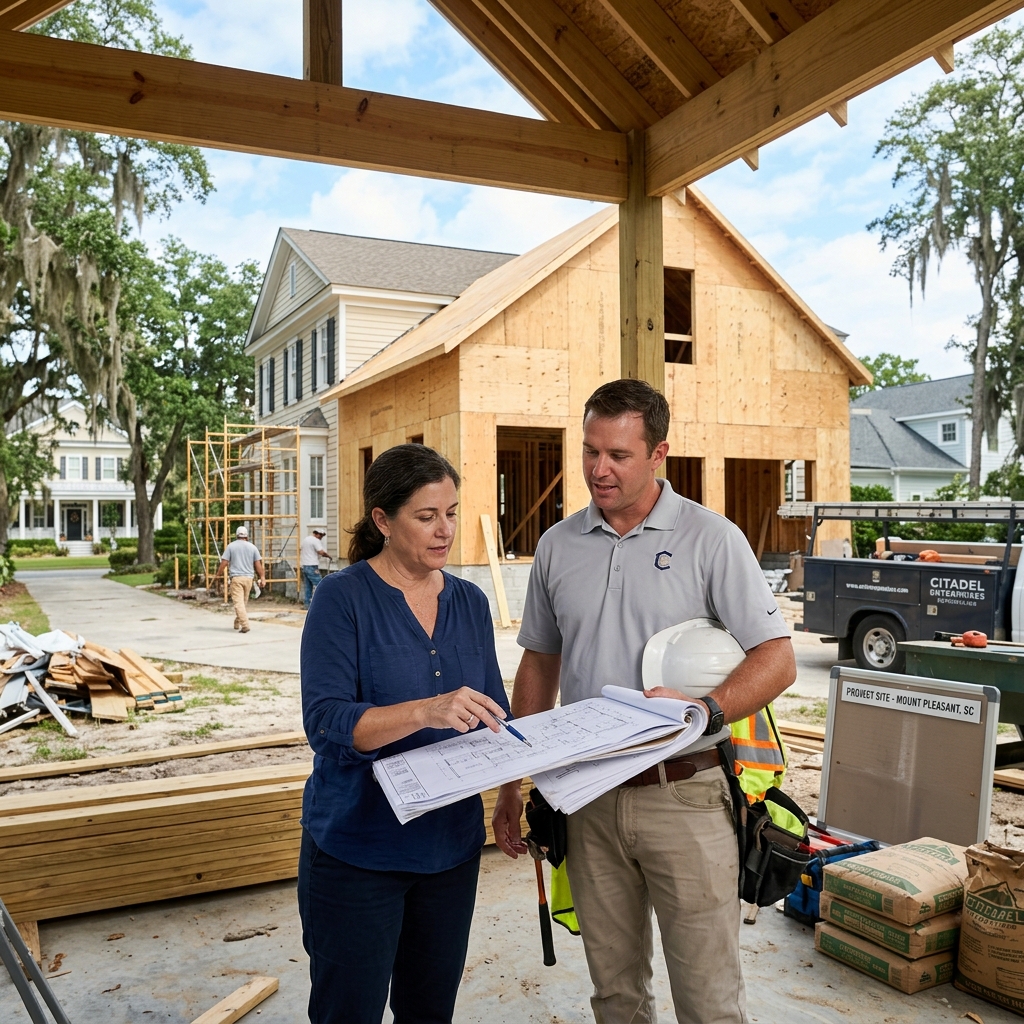
For example, a kitchen renovation in a historic Greek Revival home can incorporate modern appliances and finishes while preserving the original floor plan, ceiling height, and period-appropriate molding. A bathroom update can include contemporary plumbing fixtures and updated tile while keeping original windows, transoms, or decorative details intact.
We’ve completed numerous historic renovations across the Charleston area, working with homeowners, historic preservation consultants, and municipal authorities to modernize homes while preserving their architectural integrity.
Whole-House Additions and Structural Improvements
Some projects outgrow the existing footprint. A growing family needs more bedrooms, a home office becomes essential, or entertaining demands additional space. Whole-house additions expand your living area while maintaining design harmony with the original structure.
The challenge isn’t just expanding square footage; it’s ensuring the addition feels like a natural extension of the home rather than an obviously bolted-on structure. This requires careful attention to architectural style, roofline coordination, material matching, and interior flow. An addition should feel intentional, as if the original architect had room to build more.
We also address infrastructure during additions. Your current electrical panel might be maxed out; plumbing lines may need rerouting; HVAC systems require recalculation to condition the expanded space efficiently. A well-designed addition coordinates all these systems so the expanded home functions smoothly.
Structural improvements extend beyond additions. Foundation repairs, reinforcement of aging structural members, or roof replacement protects your home’s long-term integrity. We assess these systems honestly, explaining what requires immediate attention versus what can be deferred, helping you prioritize improvements strategically rather than addressing everything simultaneously with overwhelming costs.
Whole-house improvements require careful planning to minimize disruption, coordinate multiple systems, and ensure the end result feels cohesive rather than piecemeal.
Comprehensive Property Maintenance Programs We Provide
Remodeling transforms your home, but protecting that investment requires ongoing maintenance. We offer comprehensive maintenance programs that address seasonal needs, preventive care, and early problem identification before small issues become expensive repairs.
Our maintenance services include gutter cleaning and repair, exterior seal application and caulking, HVAC system maintenance and filter replacement, plumbing inspections and minor repairs, exterior power washing, and seasonal checks of roofing, siding, and foundation areas. We document what we observe, recommend priorities, and provide honest assessment of what’s urgent versus what can wait.
The value of systematic maintenance is catching problems early. A small roof leak identified during spring inspection costs far less to repair than water damage discovered months later inside your attic. Caulking failure around windows identified in fall prevents winter weather infiltration. Gutter cleaning prevents foundation issues from water pooling near your home’s base.
For homeowners who have invested in a significant remodeling project, maintenance programs preserve that investment’s value and protect the structural integrity that makes the home comfortable and safe.
30+ Years of Local Expertise in the Mount Pleasant Community
We’ve been remodeling homes in Mount Pleasant and the Charleston area for over three decades. This longevity reflects successful projects, satisfied customers who refer their neighbors, and deep understanding of what works in our local environment.
Thirty years of local work means we understand Mount Pleasant’s specific characteristics. We know how coastal humidity affects material selection, why certain siding choices fail in salt spray conditions, which plumbing configurations work best with our water chemistry, and how foundation settling patterns differ between older neighborhoods and newer developments. We’ve watched architectural trends come and go and learned which timeless design choices still satisfy homeowners ten years after project completion.
More importantly, we’ve built relationships with the most reliable local suppliers, skilled trade partners, and municipal officials who process permits and conduct inspections. When your project requires a specialized material or faces an unusual building code interpretation, we have established relationships and knowledge to solve problems efficiently.
Our long presence in Mount Pleasant means your remodeling investment benefits from institutional knowledge that newer firms simply don’t possess. We’ve learned from projects that succeeded and those that taught us hard lessons. We apply those decades of experience to help your project succeed.
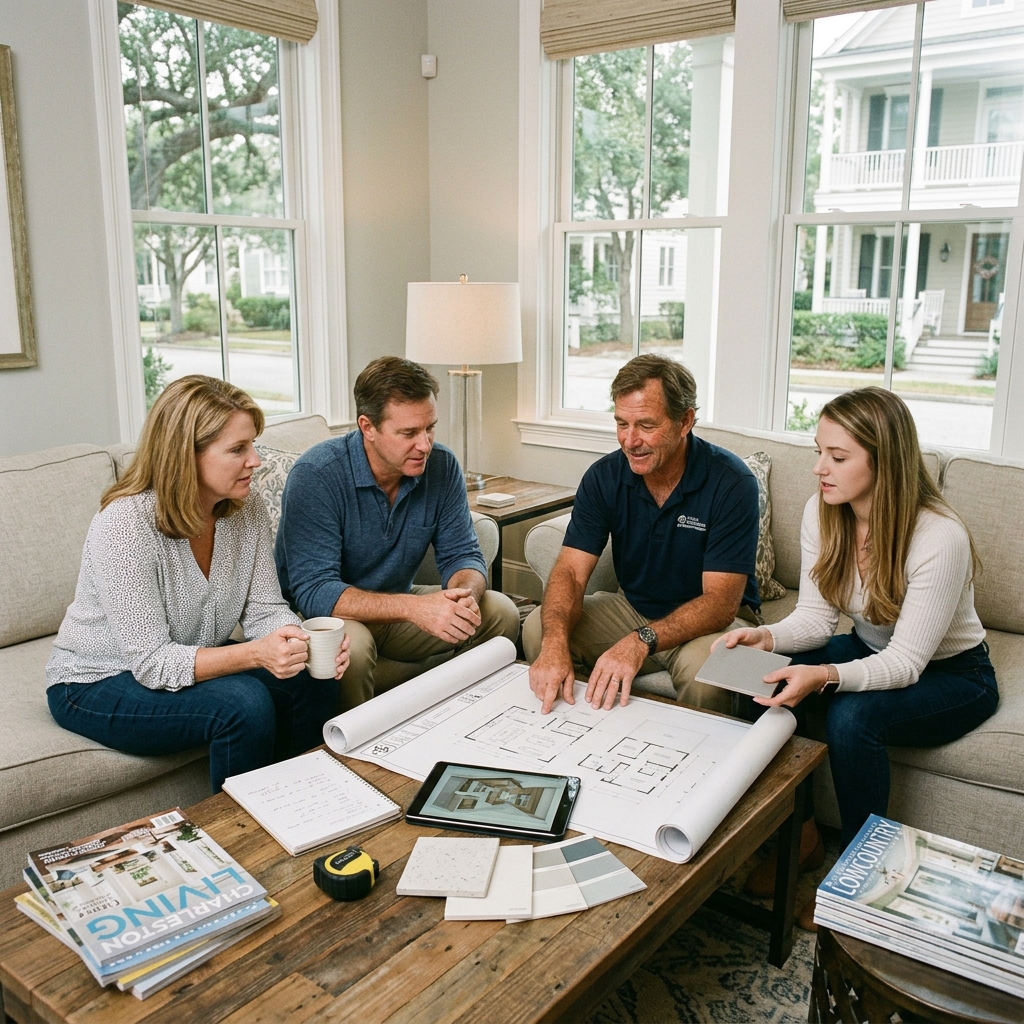
How Our Professional Project Management Protects Your Investment
The difference between a successful remodeling project and a frustrating one often comes down to project management. Even with excellent design and skilled trades, poor coordination creates delays, rework, budget overruns, and quality issues.
Our project managers coordinate every aspect of your remodeling: scheduling trade sequences so carpenters aren’t waiting for plumbers to finish, managing material deliveries so supplies arrive when needed rather than sitting in your home, conducting daily quality inspections, documenting progress with photos and timelines, and addressing issues immediately before they compound into bigger problems.
Communication happens consistently. You receive weekly progress updates, advance notice of any schedule changes or issues discovered during construction, transparent explanations of any cost adjustments, and clear answers to your questions. You’re never surprised because your project manager keeps you informed at every stage.
We also handle the administrative burden: pulling all necessary permits, scheduling municipal inspections, managing insurance and bonding requirements, and maintaining documentation that proves the work meets code. These details matter for your long-term home maintenance records, future sales, and peace of mind knowing the work was completed properly.
Project management also means protecting your home during construction. We establish clear protocols for protecting finished areas, dust containment, security after hours, and site cleanup. Your home shouldn’t look like a construction zone; it should look like a well-managed professional project happening inside your living space.
What Sets Our Design-Build Approach Apart from Traditional Remodeling
The design-build model offers distinct advantages over traditional remodeling where you hire a designer and a separate contractor.
With Mt. Pleasant remodelers using traditional separation, communication breaks down when issues arise. The designer says “that wall must be there for architectural integrity” while the contractor says “that wall cost an extra $5,000 because of the plumbing location.” You’re caught managing conflict and paying for mistakes that could have been prevented with better coordination.
Our integrated design-build approach means the architects designing your space fully understand construction implications, and the builders implementing the design have already provided cost feedback during the design phase. When we encounter unexpected conditions during construction, the same team solves the problem together rather than playing blame-shifting games.
Integrated teams also deliver faster timelines. Rather than completing design, securing bids, and then starting construction months later, design and construction overlap strategically. We can order long-lead materials while finishing design details, schedule trade sequences before construction begins, and eliminate gaps between phases that waste time.
Cost transparency happens naturally in design-build. You’re not comparing bids from unknown contractors interpreting someone else’s designs. You know what you’re paying and why because the same team created the designs with real costs in mind throughout.
We also maintain quality continuity. The team that designed your remodeling is the same team that builds it, providing the nuanced understanding needed to bring design intent to reality.
Ready to Transform Your Home: Starting Your Remodeling Journey with Us
The first step is a consultation where we listen more than we talk. We want to understand your home, your goals, your timeline, and your budget range so we can determine whether we’re the right fit for your project.
During this initial conversation, we’ll discuss our process, answer questions about what’s involved in your specific project type, and outline next steps. There’s no pressure; this consultation helps both of us ensure alignment before committing to a working relationship.
If we move forward together, you’ll enter our three-step planning process. Your investment begins with thorough planning, and only after you’ve approved detailed designs and pricing does actual construction begin. By that point, you know exactly what to expect.
For three decades, homeowners in Mount Pleasant and the Charleston area have trusted us with their homes. We’d welcome the opportunity to discuss your remodeling vision and show you why a structured, transparent approach to home renovation changes the entire experience.
Contact us today to schedule your consultation and take the first step toward transforming your home.