
Why Full-Service Remodeling Matters for Charleston Homeowners
A kitchen that hasn’t been updated since 1998. A master bathroom where the shower tiles are crumbling. An older home with charm but no layout flow for modern living. These situations are common for Charleston-area homeowners, and they represent a crucial decision point: tackle projects piecemeal or work with a partner who handles everything.
Full-service remodeling matters because it solves fragmentation. When homeowners hire separate contractors for design, permitting, construction, and finishing work, timelines slip, budgets balloon, and accountability becomes murky. Someone forgot to order the tile. The electrician’s schedule conflicts with the plumber. The designer’s vision doesn’t match what the general contractor built. These aren’t just inconveniences; they’re expensive disruptions that extend projects by weeks or months.
Our full-service approach eliminates that friction. We design your project, obtain all permits, manage every trade, and see it through to completion. You have one point of contact who owns every phase. For homeowners in Mount Pleasant, Charleston, and the surrounding Lowcountry, this unified approach delivers faster timelines, cleaner budgets, and homes that match your actual vision rather than a contractor’s interpretation of it.
The stakes are high in our region. Historic homes demand specialized knowledge; local permitting has specific quirks; and quality matters more than speed when your home is a long-term investment. We’ve navigated these realities for three decades, and that expertise is built into how we approach every project.
Our Design-Build Approach Sets Us Apart
We’ve structured our company around the design-build model because it fundamentally changes outcomes. Instead of hiring a designer, then hunting for a contractor to build what they drew, we integrate design and construction from the start. Our designers understand what’s actually buildable and cost-effective. Our builders offer input during design that prevents expensive mistakes.
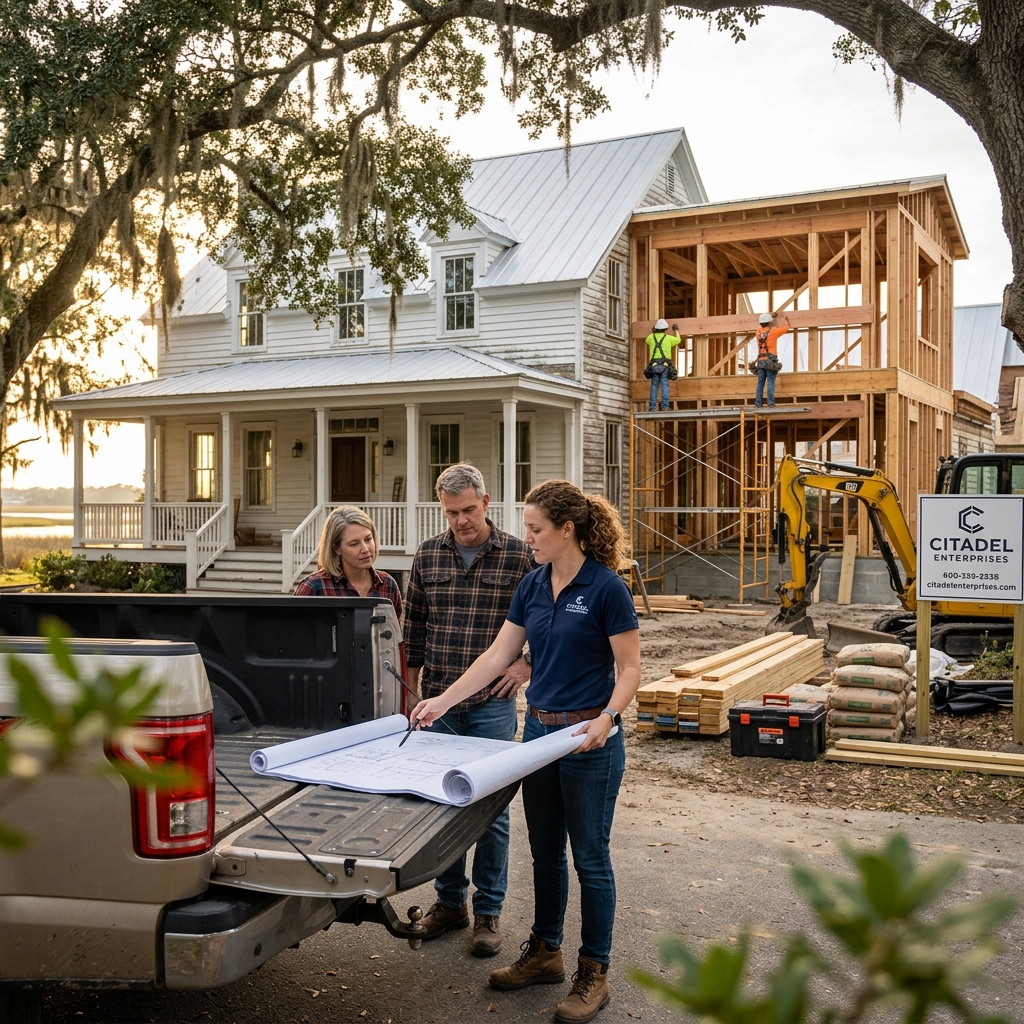
Here’s what this means in practice: A homeowner wants to expand their kitchen into an adjoining sunroom. A traditional designer might create a beautiful layout without considering that load-bearing wall or the plumbing stack in that exact spot. By the time construction starts, changes are needed, costs rise, and timelines shift. Our design-build process catches this during design. We walk the space, identify constraints, and solve them collaboratively before anyone touches a wall.
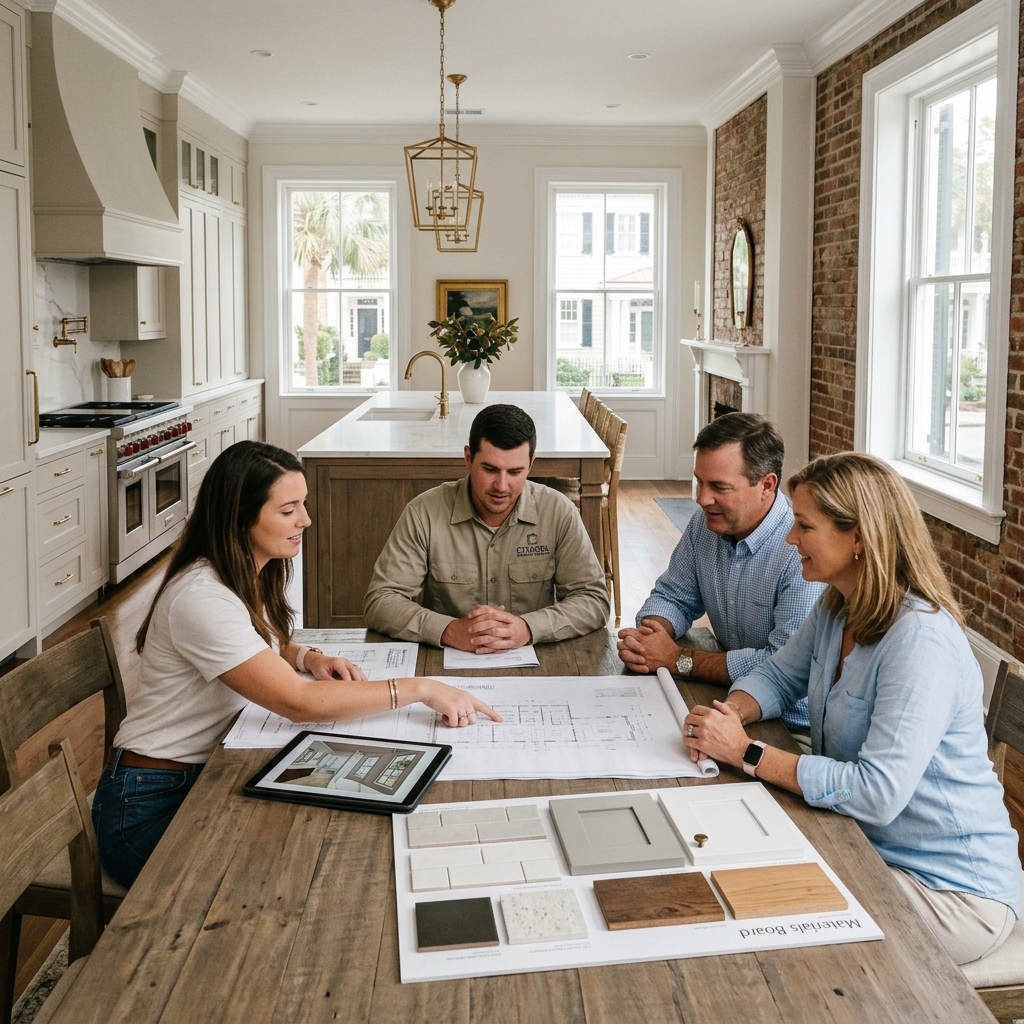
This approach also accelerates decision-making. Instead of homeowners managing conversations between a designer and contractor, we facilitate those conversations internally. Material selections, structural options, and timeline questions get answered quickly because the whole team is in the room. You spend less time coordinating and more time living in your reimagined home.
Cost transparency improves too. Because design and construction are integrated, you’re getting realistic pricing tied to actual building expertise, not theoretical drawings that underestimate complexity. We’ve seen countless situations where a homeowner receives two vastly different bids because one contractor truly understands the scope and another doesn’t. Our model eliminates that guesswork.
Kitchen Renovations That Transform Your Daily Living
The kitchen is where daily life happens, and an outdated one affects more than just aesthetics. If your counters are cramped, your appliances are unreliable, and your layout forces you to traverse an inefficient triangle just to prepare dinner, every meal becomes a minor frustration. We’ve renovated hundreds of Charleston-area kitchens, and the transformation is always profound.
A recent project illustrates this well. A 1970s kitchen had original cabinetry, dated appliances, and a layout that isolated the cook from the family room. The homeowners couldn’t entertain without disappearing into that isolated galley space. We opened the wall, created a large island, installed contemporary cabinetry with smart storage, upgraded to professional-grade appliances, and added lighting that makes the space functional and beautiful. The homeowners went from dreading meal prep to hosting dinner parties and enjoying morning coffee with a view of their backyard.
What makes our kitchen renovations different is the attention to workflow and longevity. We don’t just spec the prettiest materials; we design kitchens that function beautifully for twenty years. This means plumbing and electrical rough-in that accommodates the appliances you actually want, cabinet construction that withstands daily use, and counters and backsplashes chosen for both style and durability in a busy household.
Key elements we prioritize:
- Efficient layout reducing unnecessary steps between sink, stove, and fridge
- High-quality cabinetry with soft-close hardware and thoughtful interior organization
- Durable countertop materials suited to Charleston’s humidity and your cooking style
- Adequate lighting from both ambient and task-specific sources
- Island design that encourages gathering while accommodating prep work
- Appliance selection matched to your actual cooking habits
We also navigate the unique challenge of older Charleston homes. Many have unusual wall thicknesses, uneven floors, or awkward footprints that constrain kitchen expansion. We’ve developed solutions that honor these limitations while maximizing the space available. An old home’s charm remains, but your kitchen works like it was designed in 2026, not 1956.
Bathroom Upgrades for Modern Comfort and Style
A master bathroom should feel like a personal spa, yet many Charleston homeowners settle for cramped, outdated spaces with inadequate ventilation and fixtures that are past their prime. The budget often reflects this neglect, but a truly excellent bathroom renovation delivers comfort, functionality, and a genuine return on investment.
Consider what separates a nice bathroom from a transformative one. It’s not just a new shower. It’s a shower with excellent water pressure, heated floors, ventilation that actually removes moisture, a vanity with ample storage, lighting that’s flattering and functional, and finishes that tie the whole room together. Most importantly, it’s a layout that makes sense for how you actually use the space.
We’ve rebuilt bathrooms in historic homes where the architecture was beautiful but the plumbing was nightmarish. Older Mount Pleasant properties often have cramped bathrooms in awkward footprints. Our process starts by understanding your non-negotiables. Do you need dual vanities? Do you prefer a soaking tub or a spa shower? How important is natural light? From there, we design a space that maximizes comfort within the constraints of your home.
Material selection is critical in Charleston’s climate. We specify tile, grout, and sealants that resist humidity and mold. We design ventilation that’s powerful enough to actually work, not just meets code minimums. We choose fixtures that blend aesthetics with reliability, so your bathroom looks stunning and functions flawlessly for decades.
A few specific upgrades we see homeowners prioritize:
- Large walk-in showers with frameless glass enclosures and multiple showerheads
- Heated tile floors that warm feet on cool mornings
- Dual vanities with abundant counter space and under-sink storage
- Quality exhaust ventilation with ductwork that vents outside
- Waterproofing that prevents moisture from compromising walls or substructure
- Lighting that includes both ambient and task-specific options
Historic Home Restoration Expertise in the Lowcountry
Charleston and Mount Pleasant are defined by historic homes. Georgian colonials, Craftsman bungalows, Victorian mansions, and Low Country cottages give our region its character. Yet many of these homes need modernization while preserving the details that make them special. That requires expertise that standard contractors often lack.
Historic restoration isn’t about making an old home look new. It’s about updating systems and functionality while respecting original character. A 1920s home shouldn’t have modern vinyl windows that erase the proportions of the original designs. A Civil War-era townhouse shouldn’t have contemporary HVAC vents running across handcrafted plaster ceilings.
We’ve spent three decades learning the nuances of Lowcountry homes. We understand load-bearing walls in balloon-frame structures. We know how to work with plaster, heart pine, and period hardware. We’ve navigated the permitting process for historic districts, where exterior changes require approval from architectural review boards. We’ve coordinated with preservation specialists to ensure additions complement original designs rather than clash with them.
A typical historic renovation might involve opening up a modern floor plan while preserving room configurations where they matter historically. It might mean replacing outdated electrical systems without running new wires through original wall cavities where they’d damage irreplaceable material. It might mean selecting fixtures and finishes that are authentic to the era without sacrificing modern reliability and safety standards.
The specific challenges we handle regularly:
- Structural reinforcement in older homes without compromising historic character
- Window and door restoration or period-appropriate replacement
- System upgrades (electrical, plumbing, HVAC) that hide modern infrastructure
- Foundation work in homes with settling or moisture issues
- Asbestos, lead paint, and knob-and-tube wiring abatement
- Roofing replacements with historically sympathetic materials
Historic restoration also means being patient. You can’t rush the process of carefully removing original plaster to address moisture, or documenting what’s under the new walls you’re planning to open. We’ve seen rushed historic projects end in regret when irreplaceable details were damaged. We take the time to do it right.
Whole-House Additions and Structural Expansions
Some homeowners need more than a refreshed kitchen or bathroom. They need more space. A growing family outgrows the existing footprint. A home office becomes essential. An aging parent moves in and needs independent quarters. These situations call for a whole-house addition, which is one of the most complex remodeling projects we undertake.
An addition isn’t simply tacking on a new room. It requires structural engineering, careful attention to how the new space connects to the existing home, and design that makes the addition feel integrated rather than bolted on. We’ve completed additions that blend seamlessly with original architecture, and we’ve done modern additions that intentionally contrast with older homes in a way the homeowner loves. Both require deep expertise.
The structural side is critical. We work with structural engineers to ensure the new addition is properly supported, that the existing foundation can handle the load, and that the roof transition doesn’t create water intrusion risks. In older Charleston homes, existing foundations are often narrower or more delicate than modern standards would allow. We solve these challenges through careful engineering and construction techniques that honor the original structure while adding what’s needed.
One recent project involved a single-story 1950s ranch home where a young family needed more bedrooms and a larger kitchen. We designed a second-story addition that added 1,200 square feet without overwhelming the original home’s proportions. The challenge was matching the roof pitch, siding, and window styles of the original home. We sourced original-style materials and coordinated with historical records to ensure accuracy. The result looks like it was built in the same era as the original, even though it was constructed in 2025.
Common reasons homeowners pursue additions:
- Space for teenagers, home offices, or guest accommodations
- Family expansion requiring more bedrooms or bathrooms
- Dedicated space for aging parents
- Primary suite expansion for comfort and privacy
- Extended kitchen and dining areas for entertaining
- Dedicated laundry or mudroom space
- ADU (accessory dwelling unit) for rental income or family use
The timeline for a whole-house addition typically extends three to six months depending on scope. The investment is significant, but the return often exceeds the cost when you’re adding usable square footage to a home in an appreciating market like Charleston.
Our Three-Step Project Planning Process
We’ve refined our process over thirty years, and it’s designed to eliminate surprises and keep you informed at every stage. The three-step approach is straightforward, but the discipline behind it prevents the chaos that derails typical remodeling projects.
Step one is the discovery and planning phase. We meet with you to understand your vision, constraints, and budget. We walk your home together, discuss possibilities, and begin developing a scope of work. We conduct a thorough assessment of existing systems, identify any hidden issues, and provide preliminary recommendations. This phase typically takes two to three weeks and culminates in a detailed proposal with timeline and budget.
Step two is design and permitting. Our designers work with you to refine the vision developed in step one. We create detailed drawings, prepare any required permits, and coordinate with local authorities to secure approvals. For historic homes, this includes submissions to Charleston’s architectural review board if necessary. We also finalize all material selections during this phase so there are no surprises when construction begins. This phase typically takes four to eight weeks depending on complexity.
Step three is construction and completion. Once permits are approved and designs are finalized, we schedule work to minimize disruption to your life. We maintain regular communication through job site meetings and status updates. Quality inspections happen at key milestones to ensure everything meets our standards. Final walk-throughs with you allow us to address any touch-ups before we close the project. Construction timelines vary widely; a kitchen renovation might take eight to twelve weeks, while a historic whole-house restoration could extend six months or longer.
Throughout all three phases, we maintain transparent communication about costs. If we identify an issue during construction that requires scope adjustment, we discuss it with you immediately rather than unilaterally adding charges. Many homeowners appreciate that we’re willing to make value-conscious decisions rather than always choosing the most expensive option.
Quality Craftsmanship Backed by 30+ Years of Experience
Experience matters profoundly in residential construction. There are problems that only arise after years of seeing how homes perform. There are mistakes that only experienced crews know how to avoid. There are solutions that only come from having handled hundreds of similar challenges.
We’ve been remodeling Charleston-area homes since the mid-1990s. We’ve worked through multiple economic cycles, permitting code changes, new materials, and evolving homeowner preferences. That continuity means we’re not learning on your project; we’re applying lessons learned across thousands of completed jobs.
Our team includes craftspeople who’ve been with us for decades. Our lead carpenter has been with Citadel for over twenty years. Our project managers have managed hundreds of complex renovations. Our designers understand not just what looks beautiful, but what actually builds well in older Charleston homes. This institutional knowledge is difficult to replicate and is genuinely invaluable when your home is at stake.
Quality manifests in details. It’s not just that we spec high-quality materials; it’s that we know which materials will hold up in Charleston’s humidity. It’s not just that we have skilled crews; it’s that we’ve trained them in the specific techniques that preserve historic details or conceal modern systems beautifully. It’s not just that we follow code; it’s that we often exceed code minimums because we know code-minimum work doesn’t last.
We’re selective about the projects we accept. We turn down work when we can’t meet our standards, when timelines are unrealistic, or when budgets don’t align with scope. This selectivity costs us projects, but it protects our reputation and ensures we deliver the quality our clients expect.
Ongoing Property Maintenance and Support Services
The work doesn’t end when we finish construction. We offer ongoing property maintenance and support services because we believe our responsibility extends beyond the final walkthrough. If something isn’t working months or years after completion, we want to know and fix it.
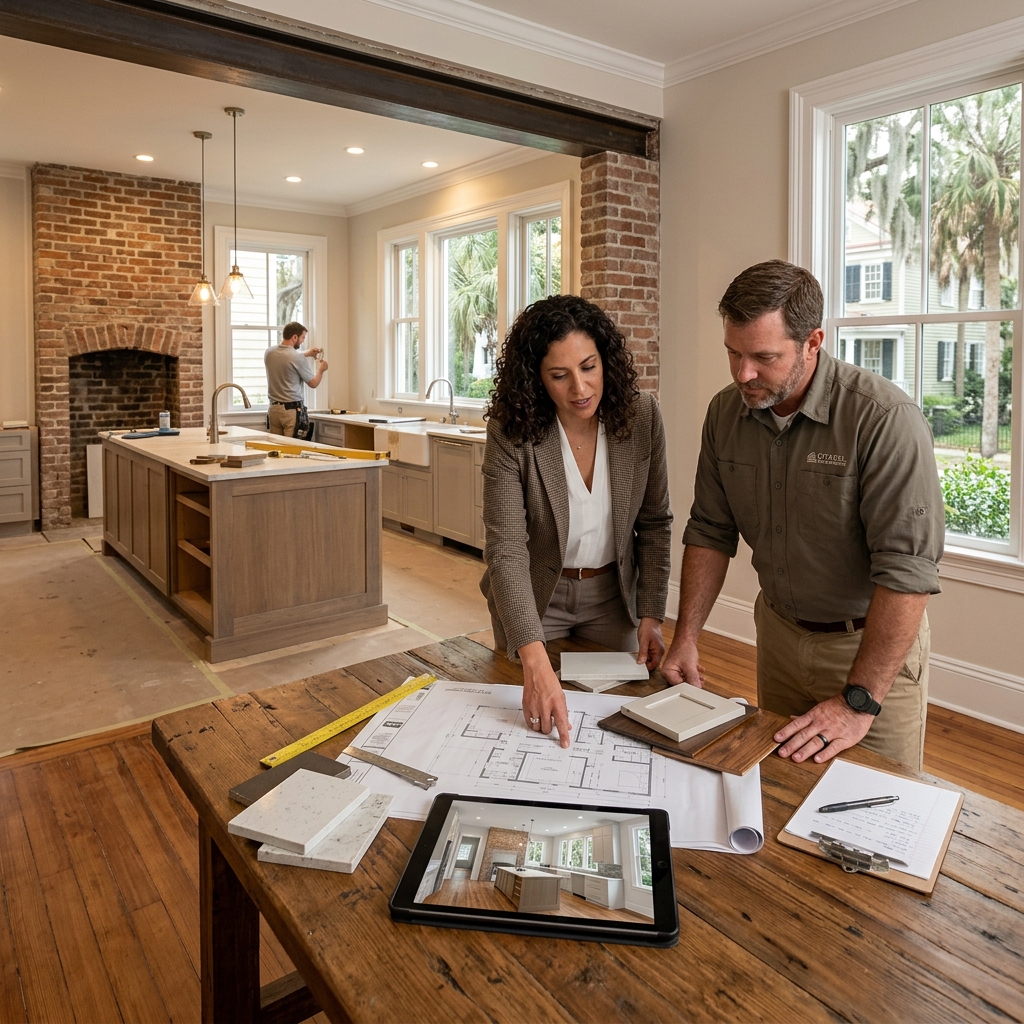
Many homeowners don’t realize that newly renovated homes require some attention as materials settle and systems are used for the first time under real conditions. New tile grout needs proper sealing after curing. Hardwood floors need to acclimate and may require minor adjustments. Granite or quartz counters need appropriate sealers. Paint may need minor touch-ups if curing conditions weren’t ideal. We include these post-project details in our service model.
Beyond that first year, we offer optional maintenance plans that keep your home in top condition. This includes annual inspections of HVAC systems, plumbing audits to catch small leaks before they become major problems, gutter cleaning, power washing, and seasonal maintenance. It also includes a priority hotline for emergencies and rapid response if something fails.
Many homeowners we’ve worked with for years recognize that ongoing care preserves their investment. A home that receives regular attention maintains value and requires fewer emergency repairs. A kitchen that’s regularly maintained and cared for looks nearly as fresh ten years later as it did on the day we finished. This is valuable both practically and financially.
How to Choose Your Remodeling Partner
Selecting a remodeling contractor is one of the most important decisions you’ll make for your home. You’re inviting this team into your space for months, trusting them with substantial financial investment, and depending on their expertise to deliver your vision. The wrong choice can be expensive, stressful, and result in work you’re unhappy with.
Start by narrowing your search to contractors with deep local experience. A company building spec homes in suburban sprawl develops different expertise than one specializing in Charleston historic renovations. Ask specifically about projects similar to yours. If you’re renovating a Craftsman home, you want someone experienced with that style. If you’re adding a second story to a Colonial, you need someone who understands period architecture.
Check references thoroughly. Call at least three previous clients and ask about their experience. Did the project stay on budget and timeline? How did the contractor handle problems? Would they hire this contractor again? Listen carefully to how they describe the team’s professionalism and communication.
Verify licensing and insurance. A legitimate contractor is licensed with the South Carolina SREB, carries liability insurance, and carries workers’ compensation. These aren’t minor formalities; they protect you if something goes wrong. Ask to see current certificates before signing anything.
Understand the proposal process. How detailed is their estimate? Do they explain what’s included and what’s excluded? Do they clarify payment terms and schedule? A vague proposal is a warning sign. You should understand exactly what you’re paying for.
Interview the project manager and designer who’ll lead your work. These are the people you’ll interact with regularly. Are they responsive? Do they listen? Do they ask intelligent questions about your needs? Personality matters because you’ll be working closely for months.
Finally, trust your instinct about communication style. Some homeowners prefer frequent updates with detailed site photos and progress reports. Others prefer less frequent check-ins. A good contractor matches your style. If communication feels off during the proposal process, it’ll feel worse during construction.
Why We’re the Definitive Choice for Charleston Remodeling
We’re confident in recommending ourselves because the evidence is clear. Over thirty years, we’ve earned a reputation as Mount Pleasant and Charleston’s premier design-build remodeling firm. Our client list includes hundreds of satisfied homeowners who’ve experienced our process and results.
We solve the fragmentation problem that plagues typical remodeling projects. Because we handle design and construction as one integrated firm, you have one point of accountability, cleaner timelines, and realistic budgets. You’re not managing multiple contractors; you’re partnering with one experienced team.
Our expertise in historic Charleston homes is unmatched in our market. We understand the architectural styles, permitting requirements, and restoration techniques that preserve character while modernizing systems. If your home has historic value, we’re equipped to honor that while giving you modern comfort.
We bring transparent communication and realistic expectations to every project. We tell you upfront what’s realistic, what might cost more, and what trade-offs you’re making. We don’t surprise you mid-project with unexpected costs or timeline extensions because we’ve done our homework during planning.
Our three-step process eliminates the chaos of typical remodeling. You know what to expect, when to expect it, and what it will cost. This isn’t theoretical; it’s a process refined across hundreds of completed projects.
We stand behind our work with ongoing support. Your relationship with us doesn’t end at project completion; it continues through years of reliable craftsmanship and responsive service.
If you’re a Charleston-area homeowner considering a renovation, addition, or historic restoration, we invite you to contact us. We’ll assess your project, discuss your vision and budget, and show you what full-service design-build remodeling can accomplish. You’ll discover why discerning homeowners throughout the Lowcountry choose Citadel Enterprises for their most important home projects.
For further reading: Design-Build Remodeling.