
Why Your Newly Renovated Home Needs Professional Maintenance
Your kitchen gleams with new granite countertops. The master bathroom features custom tile work and modern fixtures. The addition feels seamlessly connected to your original home. After months of planning and construction with us at Citadel Enterprises, your renovation is complete. But completion day is really just the beginning of protecting that investment.
Many homeowners celebrate the ribbon-cutting moment and then assume their work is finished. In reality, newly renovated spaces demand careful attention to perform as designed. We’ve spent over 30 years watching homes in the Charleston and Mount Pleasant area, and we’ve learned that the quality of your renovation depends heavily on what happens in the months and years that follow completion. This article walks you through why ongoing maintenance matters, what specific systems need attention, and how we help homeowners preserve their renovation’s value and beauty.
A new kitchen or renovated bathroom operates differently than the systems you replaced. Fresh installations have new materials, updated plumbing layouts, and upgraded electrical systems that require a breaking-in period. During this initial phase, small issues can emerge that only trained eyes catch early.
New construction materials behave differently in Charleston’s humid, coastal climate. Your freshly installed hardwood floors, newly sealed grout lines, and recent paint finishes all need protection from our salt air and moisture fluctuations. Without proper care, materials that cost thousands to install can deteriorate in ways that could have been prevented with simple maintenance steps.
We also find that homeowners often don’t understand how their newly renovated systems actually work. That new HVAC system we installed during your remodel has settings and filters that differ from what you’re used to. Your updated plumbing might have different pressure points or valves that need occasional attention. Professional maintenance ensures someone who understands the systems checks them regularly, catching wear patterns before they become problems.
What to do next: Schedule a post-completion walkthrough with your renovation team. Ask us to show you maintenance points specific to your new systems, including filter replacement schedules, seal inspection areas, and seasonal adjustments.
The Hidden Costs of Neglecting Post-Renovation Care
We’ve seen homeowners skip maintenance planning and pay for it later. A bathroom renovation that includes new tile and grout will develop mold or water damage within two years if grout isn’t sealed and ventilation isn’t monitored. That sealed cost thousands to install and thousands more to fix after damage occurs.
Kitchen renovations carry especially high consequences. New cabinetry, countertops, and appliances work together as a system. If you don’t maintain proper ventilation above the stove, moisture creeps into cabinet interiors. If you ignore faucet drips, water damage spreads beneath the sink where you can’t see it until structural support weakens. By then, a simple repair becomes a full cabinet replacement.
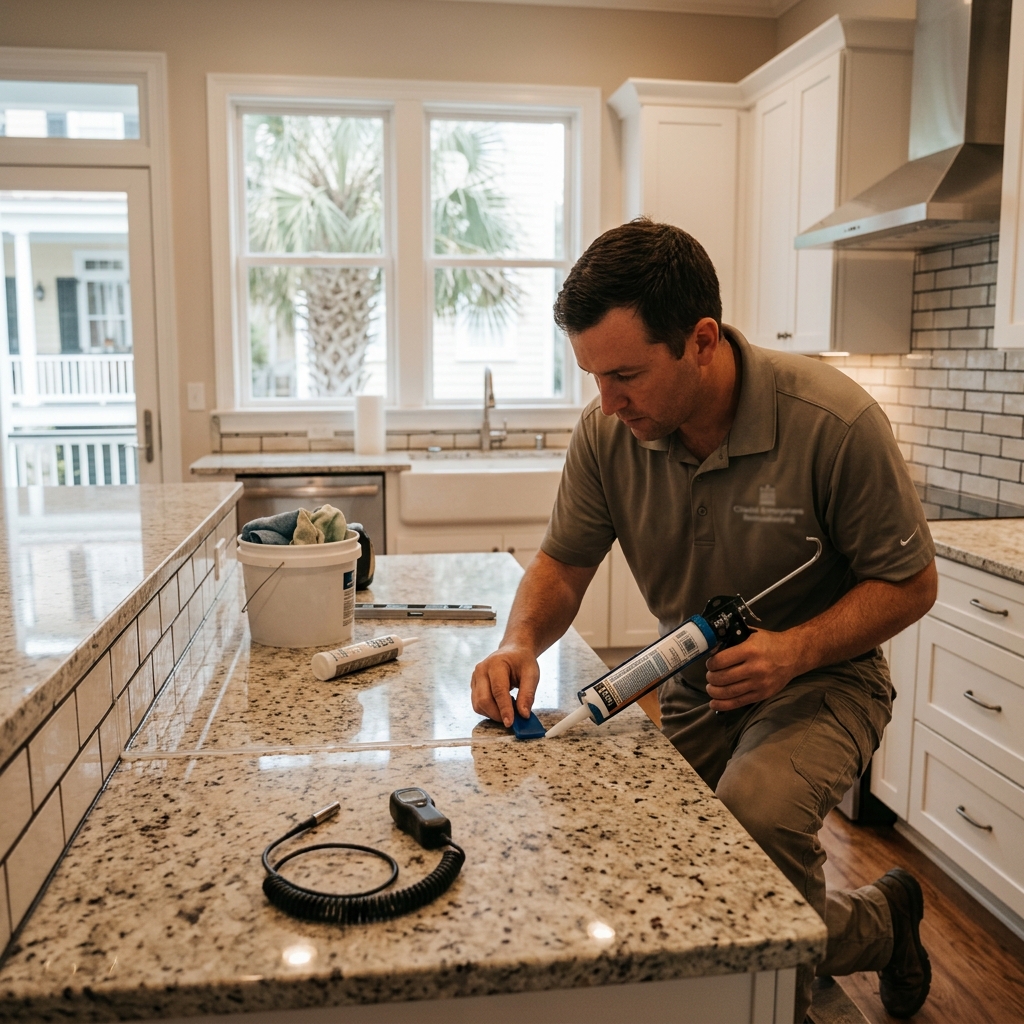
Consider the financial impact. A new countertop costs $3,000 to $8,000 depending on material. Water damage underneath can cost $2,000 to $5,000 to repair once it reaches the structure. Many of these damages are preventable with basic maintenance: checking caulk seals quarterly, ensuring kitchen exhaust vents aren’t blocked, and addressing minor leaks immediately.
Historic home restorations present their own maintenance challenges. Period materials like original plaster, antique hardware, and restored trim are irreplaceable. Neglecting seasonal caulking or failing to manage humidity levels can undo restoration work that took months to complete. The investment in historic preservation is substantial, and protecting it requires understanding how older homes respond to our climate.
Actionable takeaway: Review your renovation warranty documentation and identify which systems have maintenance requirements tied to warranty coverage. Most manufacturers void warranties if maintenance schedules aren’t followed.
Our Comprehensive Maintenance Plans Protect Your Investment
We designed our ongoing maintenance programs specifically for homes we’ve renovated, because we understand exactly what systems we installed and how they perform in our local environment. Rather than bringing in a generic handyman unfamiliar with your renovation details, you’re working with people who designed and built your spaces.
Our comprehensive plans cover different levels depending on your needs. Basic plans focus on essential post-renovation systems: caulk and seal inspection, filter replacement, and seasonal checks for moisture intrusion in high-risk areas like bathrooms and kitchens. Premium plans include quarterly inspections of all major systems, priority scheduling for any issues, and detailed documentation of your home’s maintenance history.
What makes our approach different is specificity. We don’t send a checklist to review your home. We track what was installed, how it should perform, and what Charleston’s climate will do to it. A bathroom renovation we completed in 2023 gets different maintenance attention than one from 2015 because material science and product durability vary. We know these differences.
Our plans also cover coordination. If our inspection identifies that your HVAC system isn’t venting properly and might cause moisture issues in your new kitchen, we contact the HVAC specialist directly. You don’t juggle multiple vendors or wonder whether different contractors understand how their work affects your renovation.
Next step: Contact us for a consultation about which maintenance level matches your home’s age and renovation scope.
Kitchen and Bathroom Systems Require Specialized Attention
These two spaces get the most use and contain the most complex systems in any home. A kitchen renovation integrates plumbing, electrical, ventilation, appliances, and cabinetry into one ecosystem. A bathroom adds tile, grout, waterproofing layers, and moisture-sensitive fixtures to that complexity.
Kitchen maintenance focuses on three critical areas. First is ventilation: your range hood must vent outdoors effectively. If it recirculates air back into the kitchen, moisture and cooking particles accumulate in the exhaust duct, reducing efficiency and promoting mold growth. Second is the seal integrity between countertop and backsplash, and at all edges where water might penetrate. Caulk cracks silently widen over months until water reaches hidden spaces. Third is appliance maintenance: your new refrigerator, dishwasher, and range all need specific care to function as designed and maintain their warranties.
Bathroom systems demand even more vigilance. The waterproofing behind your tile shower or tub surround is hidden, and damage inside those walls can progress for months before you notice anything wrong. Grout and caulk are your primary defense against this invisible threat. We check these seals quarterly, re-caulking where needed and monitoring for soft spots or discoloration that indicate moisture penetration.
Ventilation in bathrooms operates differently than kitchens. Your exhaust fan must run during and for at least 20 minutes after showering to prevent humidity buildup. Ductwork should vent outside, not into attics or crawlspaces. We verify that exhaust systems are working efficiently and that humidity levels remain in healthy ranges, which protects both your renovation and your home’s overall structure.
Plumbing maintenance in renovated spaces includes checking all new fixtures for leaks, verifying proper drainage in sinks and showers, and testing water pressure at different points. Small drips that seem insignificant in week one can waste thousands of gallons annually and indicate problems with cartridges or supply lines.
Recommended action: Schedule a professional inspection of caulk and grout seals in your bathroom every six months for the first year after renovation. This prevents water damage that could take years to reveal itself.
Historic Home Maintenance: Preserving Renovation Quality Long-Term
Historic home renovations require maintenance strategies that balance preservation with modern functionality. When we restore a 1920s bathroom or update a 1800s kitchen while respecting the home’s character, we’re threading a needle. The materials and systems you’ve installed must perform reliably while also protecting the original structure beneath them.
Historic homes have different moisture dynamics than newer construction. Original plaster walls, brick foundations, and aged wood framing interact with humidity differently. Some older materials actually benefit from modest moisture exposure, so over-sealing can cause problems. Our maintenance plans for historic homes account for these nuances. We might recommend moisture barriers in some spaces but active ventilation in others, depending on the original construction.
Period-appropriate materials used during restoration often require specific maintenance that differs from modern equivalents. If we installed reproduction hardware, antique-style lighting, or restored original millwork as part of your renovation, these elements might need different care than contemporary alternatives. We document exactly what was used and how to maintain it, ensuring you’re not guessing about appropriate cleaning products or repair approaches.
Historic caulking and pointing present particular challenges in our coastal climate. Mortar joints in brick or caulk around period windows need inspection every couple of years because salt air accelerates deterioration. Catching these issues early means re-pointing a few joints rather than rebuilding an entire wall section.
The value of historic homes appreciates when renovations are maintained beautifully. Potential buyers recognize quality restoration, but they also notice where upkeep has lapsed. Our maintenance programs ensure your historic home improvements retain their value and continue enhancing your home’s character and function.
Takeaway: Document all materials and finishes used during your historic renovation. Store these details with us as part of your maintenance plan so future maintenance vendors understand what they’re caring for.
Seasonal Maintenance Checklist for Charleston Homeowners
Charleston’s subtropical climate creates predictable seasonal maintenance needs that differ from northern homes. Our winters are mild, but our summers bring intense heat and humidity. Spring brings rain and pollen. Fall transitions matter more for preventing winter moisture issues.
Spring (March-May): After winter, inspect exterior caulking around windows and doors that your renovation might have updated. Check that gutters and downspouts direct water away from your home’s foundation. For renovated kitchens, test that range hood exhaust is moving air outside effectively. In bathrooms, verify that exhaust fan vents aren’t clogged with debris. If your renovation included new landscaping or exterior additions, ensure irrigation doesn’t spray against the foundation.
Summer (June-August): High humidity is the primary concern. Monitor your HVAC system to ensure it’s dehumidifying properly, not just cooling. In bathrooms, watch for any signs of moisture accumulation despite regular ventilation. Kitchen exhaust systems work harder in summer as cooking generates more moisture. Verify seals around windows and doors, as expansion from heat can create gaps. Air conditioning units and dehumidifiers should run filters monthly during peak season.
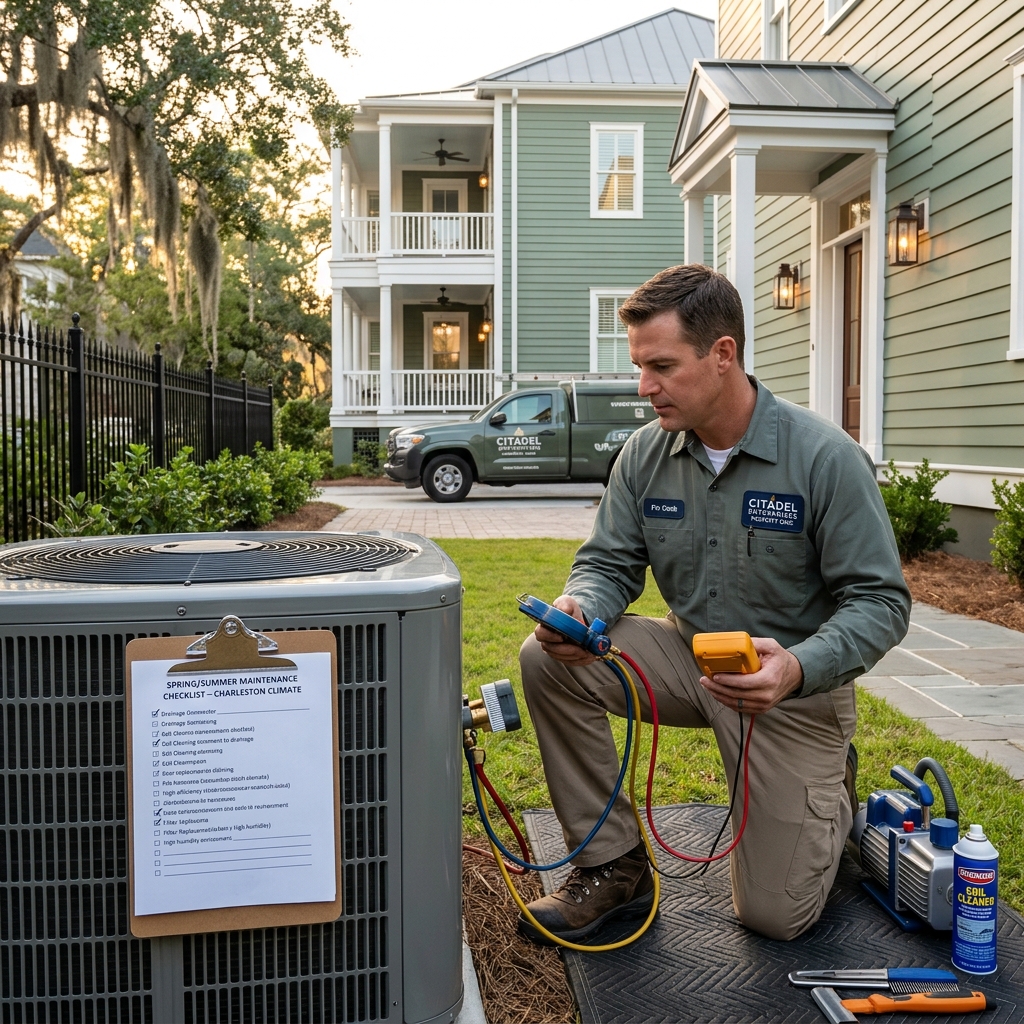
Fall (September-November): This is critical preparation time. Have your HVAC system serviced before heating season. Check caulking and weatherstripping around all windows, especially those involved in recent renovations. Clean gutters thoroughly because the months ahead bring more rain. For exterior additions or renovated porches, inspect for any settling or movement that might indicate structural issues. Winterize any outdoor fixtures.
Winter (December-February): While Charleston winters are mild, temperature fluctuations affect materials. Check that caulk hasn’t cracked from expansion and contraction. Monitor any areas prone to moisture, as reduced ventilation during heating season can allow humidity to build. Inspect basements and crawlspaces for water intrusion. If your renovation included radiant heating or updated insulation, verify these systems are performing efficiently.
Monthly action: Set phone reminders for seasonal maintenance tasks. Take photos of any caulk cracks, stains, or moisture signs you notice. Share these with us during routine inspections so we can prioritize repairs based on urgency.
How Our Three-Step Planning Process Extends Renovation Results
We approach post-renovation maintenance with the same systematic thinking that guides our original renovations. Our three-step planning process shapes how we help you protect your investment long-term.
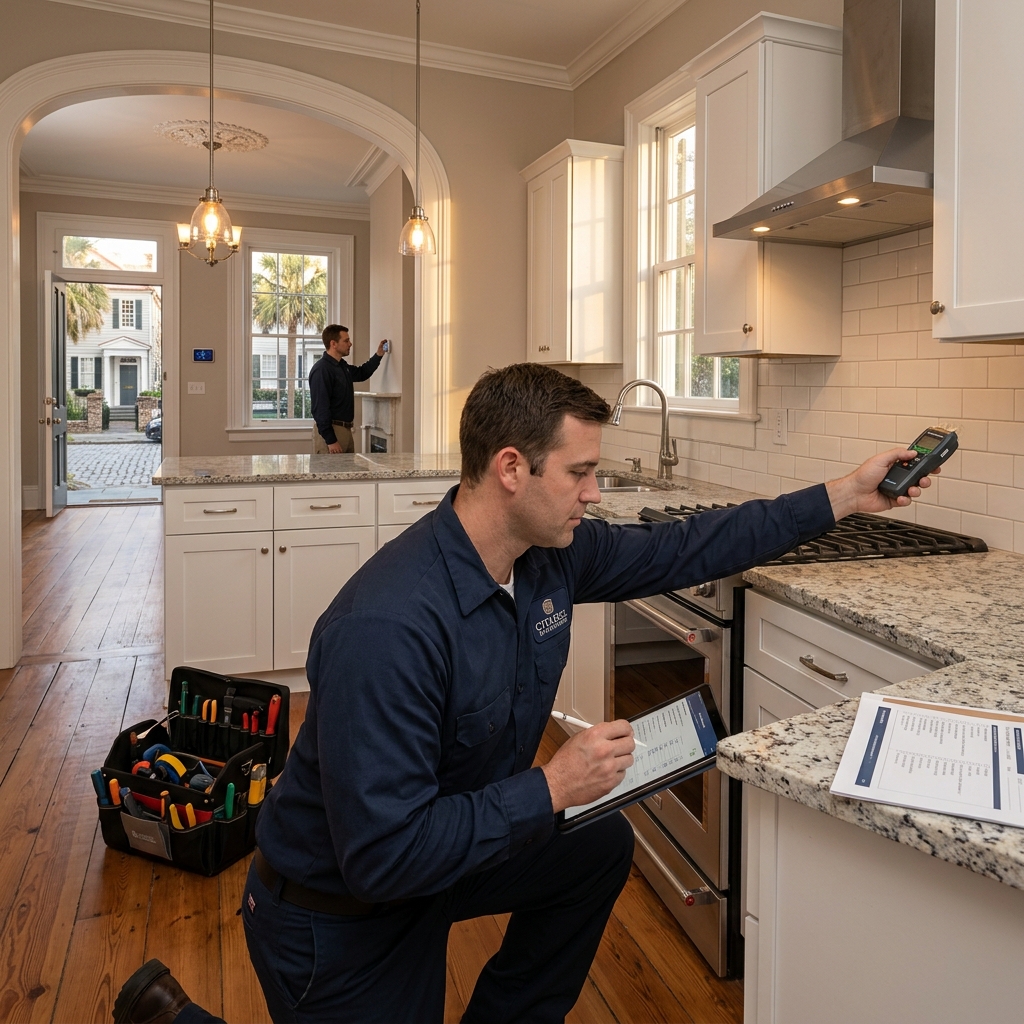
Step one involves assessment and documentation. When your renovation completes, we conduct a thorough walkthrough that goes beyond a typical punch-list. We document every material installed, note warranty periods and manufacturer recommendations, identify moisture-sensitive areas, and photograph your systems for reference. This becomes your maintenance baseline. Years later, when you’re deciding whether something needs attention, we have documented evidence of how it should look and perform.
Step two centers on customized planning. We don’t hand you a generic maintenance checklist. Instead, we identify specific risks based on your home’s age, construction type, climate exposure, and the exact systems we installed. A kitchen that includes a gas range needs different attention than one with induction cooking. A bathroom with radiant floor heating requires different monitoring than traditional plumbing. We map out exactly what needs attention monthly, seasonally, and annually for your specific situation.
Step three is ongoing partnership. We schedule regular inspections, document findings, prioritize issues by urgency and cost-benefit, and execute repairs as needed. Our team understands your renovation intimately, so we catch problems early and explain clearly why action matters. You’re not dealing with multiple vendors who don’t understand how different systems interact. We coordinate everything, protecting the integrated performance of your renovated spaces.
This approach transforms maintenance from a frustrating burden into a straightforward partnership. You know who to call, what to expect, and that someone knowledgeable understands your home’s unique needs.
Your move: Request our three-step planning consultation at Citadel Enterprises. We’ll assess your current situation and show you exactly how we’d approach long-term care.
Preventive Care Prevents Costly Emergency Repairs
The economics of maintenance are straightforward: preventing problems costs far less than fixing them. A small caulk repair costs $50 to $100. Water damage behind bathroom tile that reaches the substrate might cost $2,000 to $5,000. The difference isn’t just financial; it’s the stress of discovering damage and the disruption of emergency repairs.
Preventive care works because small issues develop into big ones predictably. A tiny gap in kitchen caulk might seem insignificant, but water finds it during the next dish-washing session. That water sits behind the counter overnight. After a thousand washing cycles over two years, that gap has allowed gallons of water to accumulate. The damage compounds gradually until suddenly you notice soft cabinetry or discoloration.
Our maintenance inspections interrupt this progression. We find the gap before significant water accumulates. A five-minute caulk repair prevents weeks of drying and thousands in restoration costs. We spot condensation patterns in bathrooms that indicate ventilation issues before mold grows and becomes a health concern. We notice that your kitchen exhaust duct is nearly blocked by lint accumulation before it fails entirely or causes moisture backup.
Emergency repairs also create scheduling nightmares. If your bathroom suddenly has water damage, you need immediate attention, and contractors charge premium rates for emergency work. If your kitchen appliance breaks because we didn’t catch a water issue early, you’re without that appliance until repairs complete. Preventive maintenance ensures your renovated spaces remain functional and beautiful, avoiding the crisis management that disrupts your daily life.
The cost-benefit analysis heavily favors prevention. Monthly or quarterly inspections might cost $150 to $300 depending on your home’s size and systems complexity. That’s $2,000 to $3,600 annually. A single significant water damage event can cost $3,000 to $10,000 or more. One prevented disaster pays for years of inspections.
Action item: Calculate how much your renovation cost, then compare that to potential damage costs. The number will clarify why maintenance budgets are investments, not expenses.
Our Local Expertise Means Understanding Charleston’s Climate Challenges
We’ve maintained and renovated homes in Charleston and Mount Pleasant for over 30 years, which means we understand how our specific environment affects building materials and systems. This local expertise shapes every maintenance recommendation we make.
Charleston’s salt air accelerates corrosion of metals and weathering of exterior finishes. Metal fixtures in your renovated kitchen or bathroom corrode faster here than they would inland. Paint and stain finishes deteriorate on exterior additions and renovated decks. We account for this by recommending more frequent inspection of these elements and using products specifically formulated for coastal conditions.
Humidity and heat create conditions that encourage mold growth and moisture damage. Our summers aren’t just hot; they’re humid in ways that inland homeowners don’t experience. That humidity penetrates into spaces where it shouldn’t be, especially in bathrooms and kitchens where water use is highest. We design ventilation strategies and monitoring protocols specific to managing Charleston’s moisture challenges. A standard approach might work in other regions but fail here.
Rainfall patterns matter too. Charleston experiences intense afternoon storms during summer and sustained rain during fall and spring. These weather events test your home’s exterior integrity much more aggressively than gentle, extended rain in other regions. We verify that gutters, downspouts, and exterior caulking can handle our rain volume and direction. We ensure that renovated porches, additions, and other exterior spaces have proper drainage to prevent water pooling.
Flooding concerns are part of our reality. Even homes that don’t sit in designated flood zones experience increasing water intrusion during severe storms. We position HVAC systems and electrical equipment appropriately, ensure sump pumps and drainage systems function properly, and advise on materials that resist water damage if exposure occurs.
Wind and sea-level changes also factor in. Hurricane season reminds us that our homes face forces other regions don’t. We ensure that renovated spaces are structurally sound and that improvements don’t create vulnerabilities to wind damage.
Practical insight: Ask us specifically how your renovation addresses Charleston’s climate challenges. We should explain exactly why we recommended certain materials, ventilation approaches, and placement decisions.
Customized Maintenance Packages for Your Home’s Unique Needs
We recognize that no two homes require identical maintenance. A 1960s ranch on a quarter acre has completely different needs than a 1920s historic Victorian or a modern townhome addition. Our customized packages match your specific situation.
For homeowners with recent renovations, we typically recommend our “New Systems Attention” package during the first two years post-renovation. This includes quarterly inspections focusing on new installations, verification that systems are performing as designed, and early detection of any installation issues. This package catches problems while warranty coverage is active, often saving homeowners from bearing full repair costs.
For homeowners with older renovations who want ongoing protection, our “Complete Home Maintenance” package includes monthly or bi-monthly inspections covering all systems, priority scheduling for repairs, and seasonal deep cleaning of areas like gutters and exhaust ducts. This level of attention prevents the gradual decline that happens when homes are essentially neglected.
Historic home owners often choose our “Historic Preservation Plus” package, which combines standard maintenance with specialized attention to period materials, antique systems, and the unique challenges of older construction. This package includes documentation of original elements, guidance on appropriate materials for any future repairs, and coordination with specialists who understand historic homes.
Rental property owners benefit from our “Property Manager Plus” package, which handles maintenance scheduling, tenant coordination, and detailed documentation of all work completed. This protects your investment while maintaining transparent records that might be needed for insurance or regulatory purposes.
Every package includes emergency response capability. If something breaks between scheduled inspections, you have our number and can reach someone who understands your renovation and can make intelligent decisions about repairs.
Next action: List your top three post-renovation concerns (moisture, appliance performance, seal integrity, etc.). We’ll recommend the package level and frequency that addresses your specific priorities.
Schedule Your Post-Renovation Maintenance Assessment Today
The best time to establish a maintenance plan is immediately after renovation completion, while systems are new and performing correctly. This gives us a documented baseline for future comparisons and allows us to catch any installation issues early.
If your renovation is already complete and you haven’t established a maintenance program, now is the time. We can assess your current conditions, identify any issues that have developed, and create a plan to prevent further deterioration while restoring performance where needed.
Contact us at Citadel Enterprises to schedule your post-renovation maintenance assessment. We’ll walk through your renovated spaces, document what we’ve installed, understand your concerns and priorities, and present a customized maintenance plan with specific recommendations and pricing.
Your renovation represents a significant investment in your home’s value, functionality, and beauty. Protecting that investment through professional maintenance ensures you enjoy the benefits for decades rather than watching quality decline as years pass. We’ve guided you through the renovation process; let us guide you through protecting what we’ve built together.