Why Historic Restoration Requires Expert Partnership
When your 1850s Greek Revival home needs serious work, or your Victorian-era bathroom is failing after decades of use, choosing the right restoration partner matters more than price alone. Historic homes in the Charleston and Mount Pleasant area face unique challenges: structural integrity concerns, period-appropriate materials, code compliance, and the need to preserve architectural character while meeting modern living standards.
This comparison explores what separates a capable remodeler from a true historic restoration specialist, and why the partnership you choose will shape the outcome of your project for decades to come.
Historic homes aren’t just old houses. They’re built with different materials, different methods, and different design intentions than modern construction. A standard contractor trained on new construction can easily damage irreplaceable elements without realizing it.
When you hire a partner for historic restoration, you’re purchasing expertise in several overlapping domains:
- Understanding original construction techniques and how to work alongside them rather than against them
- Knowledge of period-appropriate materials that match existing plaster, woodwork, hardware, and finishes
- Experience navigating local and state historic district guidelines and preservation standards
- Ability to reinforce aging structures without removing original materials unnecessarily
- Problem-solving when modern building codes conflict with historic integrity
For example, adding electrical wiring to a 1920s home with plaster walls requires different techniques than running it through modern drywall. Replacing a foundation requires understanding how the original settling patterns affected the rest of the structure. Updating plumbing in a narrow historic home demands creative routing to avoid compromising walls or removing original architectural features.
The cost of a mistake in historic work is severe. You might discover mid-project that a wall removal will compromise roof support, or that the “original hardwood” you uncovered is actually a later addition. These discoveries require experienced judgment, not just basic construction knowledge.
What to do next: Before interviewing contractors, identify which architectural elements matter most to you and whether your home sits in a designated historic district (which affects permitting and approval processes).
Our Three-Step Project Planning Process Advantage
We’ve learned that the best historic restorations start long before the first nail is pulled. Our three-step planning process builds protection and clarity into every project from the beginning.
Step One: Comprehensive Assessment and Historic Documentation
We begin by thoroughly examining your home and creating detailed documentation of existing conditions. This includes photography, measurements, material samples, and structural observations. For historic homes, we pay particular attention to original building methods, material composition, and any previous modifications that might affect current work.
This assessment phase prevents surprises and creates a shared reference point between us and you. When both parties understand what’s actually present in the walls and behind the plaster, conversations about scope and budget become grounded in reality rather than assumptions.
Step Two: Collaborative Design and Planning
Once we understand the existing structure, we work with you to define goals: preservation priorities, necessary updates, aesthetic preferences, and budget parameters. If your home is in a historic district, we address compliance requirements upfront rather than discovering them during permitting.
This is where design decisions get made. Are we restoring the original kitchen layout or reconfiguring it for modern workflow? Are we keeping the plaster walls or addressing water damage? Are we matching existing finishes or subtly updating them? We present options with honest guidance about trade-offs and long-term implications.
Step Three: Detailed Specification and Transparent Budgeting
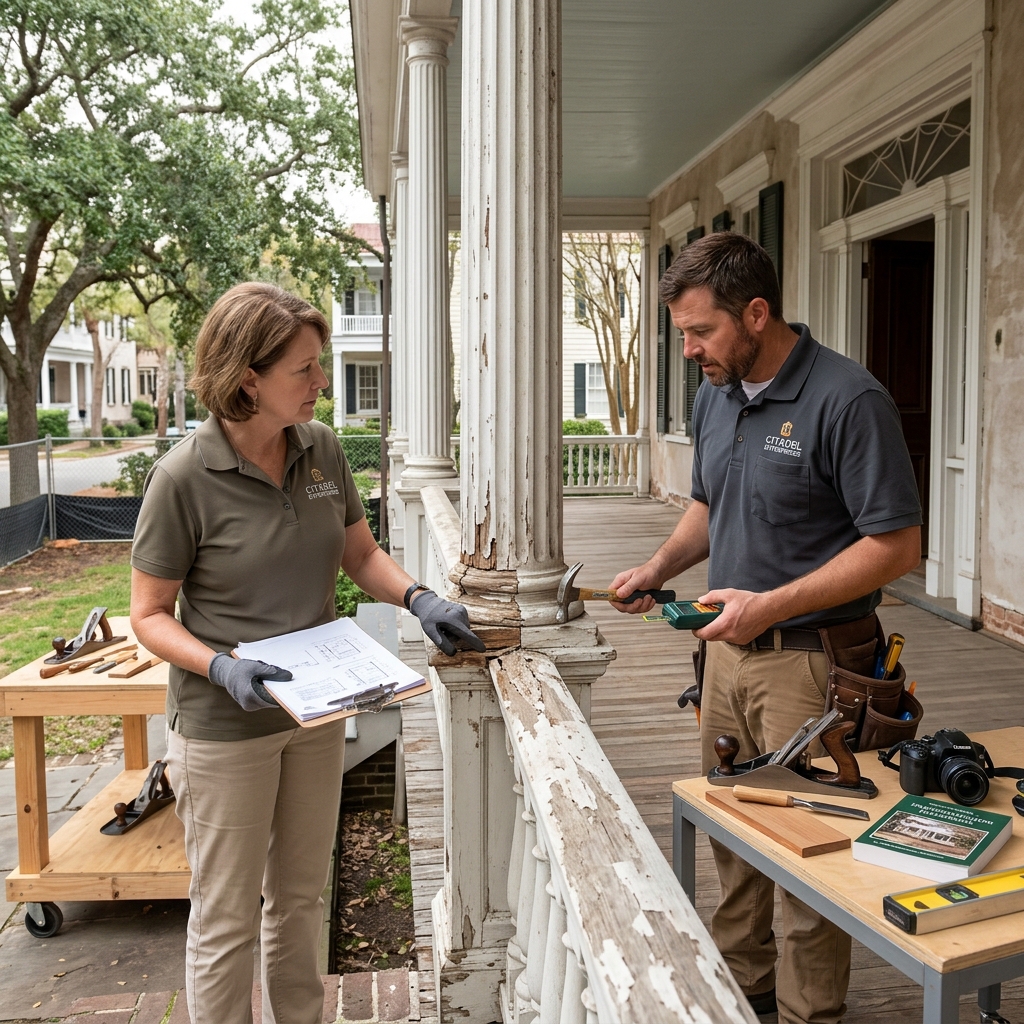
Before construction begins, we’ve created detailed specifications for every material and method. You know exactly what’s included, what’s not, and why each decision matters for your home’s preservation and longevity. Change orders become rare because the scope is genuinely settled.
This front-loaded planning approach takes more time upfront but compresses the uncertainty and conflict that often plague remodeling projects. We’re investing in clarity because it protects both your investment and our ability to deliver quality work.
Design-Build Expertise: Streamlined Project Delivery
Our design-build remodeling Charleston approach brings design and construction under one roof, which matters especially for historic work where design decisions directly affect construction methods.
When designers and builders operate separately, sketches sometimes don’t account for existing site conditions. A beautiful kitchen layout might be impossible given your home’s actual wall locations or structural beams. You end up choosing between the design or the reality.
We eliminate that friction. Our design team understands construction constraints because they’re part of our organization. When we sketch a new bathroom for your 1910 home, we’re already accounting for joist placement, plumbing access, and the age and condition of surrounding walls.
This integration also speeds decision-making. If we encounter an issue during construction, our designer can evaluate options immediately rather than sending requests back to an external design firm. For a historic home where the original structure sometimes dictates the best solution, that responsiveness matters.
The result is projects that move forward efficiently without sacrificing the thoughtfulness required for preservation work. You’re not paying for duplicate oversight or managing competing interests between separate companies.
Local Knowledge and Community Trust
We’ve worked throughout the Charleston and Mount Pleasant area for more than three decades. That tenure gives us advantages a regional or national company simply cannot replicate.
We know the local building department personnel and the specific requirements they enforce for historic properties. We understand which contractors are reliable for specialized work like foundation repair or plaster restoration. We have relationships with salvage suppliers and materials vendors who can match authentic finishes or source period-appropriate hardware.
More importantly, we understand the character of neighborhoods and the preferences of homeowners who’ve invested in historic properties. A Greek Revival home in downtown Charleston carries different design expectations than a Lowcountry cottage outside of town. We recognize these distinctions and help you navigate decisions that respect both preservation standards and your personal vision.
Local trust runs both ways. When work quality matters and reputation is built on community relationships rather than rotating markets, you benefit from that accountability. Our clients are your neighbors. Many of them chose us because someone they know recommended us.
Restoration Craftsmanship and Historic Preservation Standards
Historic restoration is fundamentally about craftsmanship. Not just competence, but genuine skill in traditional methods and materials.
We maintain expertise in several restoration disciplines:
- Plaster repair and reproduction, including matching existing profiles and finishes
- Period-appropriate woodworking, millwork, and trim installation
- Foundation repair and stabilization using methods that don’t damage historic structure
- Hardware restoration and reproduction where original pieces are damaged or missing
- Masonry repair and repointing using compatible mortar composition
When we work on a historic home, we follow preservation standards established by the National Park Service and the Secretary of Interior. These guidelines prioritize retention of original fabric, use of compatible materials when replacement is necessary, and reversible interventions where possible.
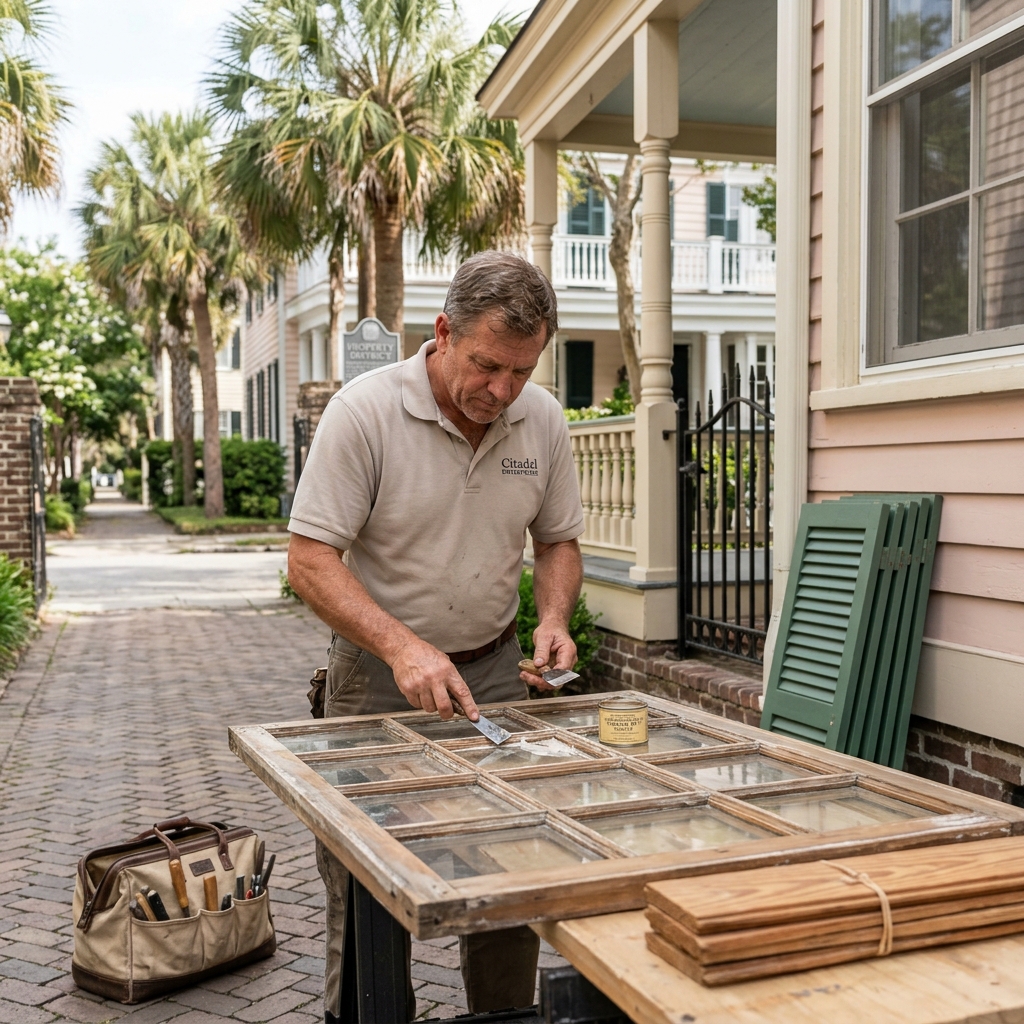
This means we might recommend keeping original plaster walls with minor patching rather than removing them for new drywall, even though drywall would be faster and cheaper. We might source reproduction hardware that matches the original exactly rather than substituting modern equivalents. These choices honor the home’s history while ensuring it functions for your family.
We invest in ongoing training and maintain relationships with preservation specialists for specialized challenges. When we encounter work that requires expertise beyond our in-house team, we know who to call.
Ongoing Property Maintenance and Support Services
The restoration work itself is important, but the care that follows determines how long those investments last.
We offer ongoing property maintenance services to our clients, which means we’re available for issues that arise after the main project concludes. A window that sticks, new water infiltration, or a roof question doesn’t require calling a stranger. You call us, and we can address it with full knowledge of your home’s recent work and existing condition.
This ongoing relationship creates accountability. We benefit when your home stays in good condition, so we’re motivated to stand behind our work and help you maintain what we’ve invested in.
We also provide guidance on seasonal maintenance, material care, and preservation practices specific to your home’s age and construction. You might learn that the original hardwood floors need different cleaning approaches than modern finishes, or that certain interior painting techniques preserve the historic plaster underneath.
Having a trusted partner available for questions and support means you’re not guessing about care decisions that affect your home’s longevity.
Timeline and Cost Transparency Comparison
Historic restoration projects inherently carry more unknowns than new construction. Our planning process surfaces those unknowns before they disrupt the schedule or budget.
We provide detailed project timelines that account for the realities of historic work: lead-based paint remediation, asbestos abatement if present, permitting for historic district approval, and the simple reality that some tasks take longer when you’re working around existing structures rather than building new.
Cost estimates are equally transparent. We break down labor, materials, specialized services, and contingencies. You understand what you’re paying for and why. Our contingencies for historic projects are slightly higher than new construction because the potential for unexpected conditions is genuine, but we’re honest about how much contingency we’re including.
We also discuss value tradeoffs explicitly. Upgrading to a higher-quality window restoration approach costs more upfront but extends the window’s life and preserves the home’s character better than replacement windows. We explain these decisions so you can prioritize based on what matters to your family and your budget.
Our 30+ Years of Charleston Area Experience
Three decades of work in this region isn’t just a number. It represents hundreds of completed projects, deep relationships with local suppliers and specialists, and genuine understanding of how homes in the Charleston area are built and how they age.
We’ve restored Queen Anne Victorians on King Street, brought Greek Revival homes in historic districts back to their original character, and updated Lowcountry cottages while preserving their vernacular charm. We’ve navigated the specific challenges of coastal salt air, high moisture, termite pressure, and the unique building practices that developed in the Charleston area over centuries.
That experience means we can anticipate problems. We know which foundation issues are common in 1890s homes in our area. We recognize the signs of previous repairs that didn’t address root causes. We understand how the original builders approached moisture management and structural support given local climate conditions.
New contractors, no matter how skilled, lack this accumulated knowledge. They’re learning your home’s quirks while working on your project. We’re bringing in three decades of patterns and lessons from homes just like yours.
Client Communication and Project Management Approach
A well-managed project feels different from the moment it begins. Communication happens regularly and proactively. Decisions get made without delays. Problems get solved transparently.
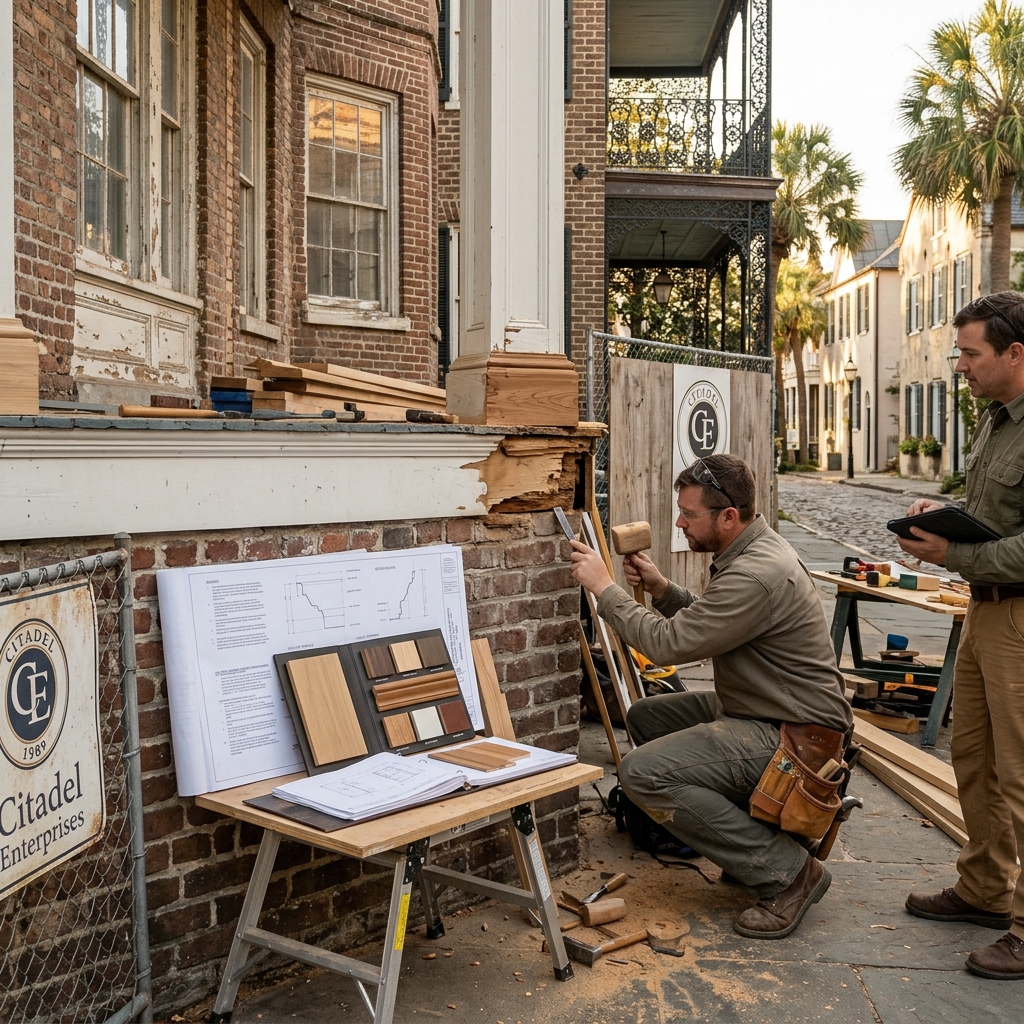
We schedule weekly progress meetings during active construction. You see what’s happening, ask questions, and stay informed without needing to drop by the job site constantly. We document progress with photos and detailed notes so there’s a clear record of what’s been completed and what’s next.
When issues arise, we explain them honestly. We don’t hide problems or wait until they’re disasters. We present options with clear recommendations, and we trust you to make informed decisions about your project.
Change management is straightforward. If you want to add work or modify scope, we document it, discuss the cost and timeline impact, and get your approval before proceeding. There are no surprise invoices or hidden extras.
This level of communication and project management requires staffing and systems. It’s not the most efficient approach if you only care about minimum cost. But if you care about knowing what’s happening in your home and feeling confident about decisions being made, this approach delivers.
Why Citadel Enterprises is Your Ideal Partner
Historic restoration isn’t a commodity service. The partnership you choose will determine whether your home is treated as a valuable property with irreplaceable character, or as a standard renovation project where historic elements are obstacles to work around.
We bring together design expertise, construction skill, local knowledge, and genuine commitment to preservation standards. We’ve invested in understanding historic preservation because it’s what our community needs and what our clients deserve.
Our three-step planning process protects you from uncertainty and surprises. Our design-build model ensures that aesthetic vision aligns with construction reality. Our local tenure means we’re accountable to the community and invested in the lasting quality of our work. Our ongoing support means you have a trusted partner for questions and maintenance long after the main project concludes.
Most importantly, we approach every historic home as genuinely historic. Not a blank canvas for modern renovation, but a structure with character and history worth preserving alongside the updates that make it work for your family.
When you’re choosing a restoration partner, you’re not just choosing a contractor. You’re choosing whether your home is restored or renovated, whether its character is enhanced or compromised, and whether you have support and clarity throughout the process.
We’ve built our reputation on delivering the first outcome consistently, project after project, for more than three decades.
Next Steps: Schedule Your Historic Home Consultation
The best way to understand what we can do for your historic home is to meet with our team and share your vision and concerns.
We offer a no-pressure consultation where we listen to your goals, answer questions about our approach, and discuss how we’d tackle your specific project. We won’t pressure you to decide that day or suggest you need work you haven’t asked about.
During the consultation, you’ll get a sense of how we communicate, how we think about historic preservation, and whether we’re the right partner for your family and your home.
Contact us through our website at https://citadelenterprises.com or call to schedule your consultation. We’re ready to discuss your home and how we can help preserve its character while making it work beautifully for your life.
Your historic home has survived a century or more. With the right partner, it’ll serve your family for many more decades while maintaining the character that makes it special.