
Why Historic Home Restoration Requires Specialized Expertise
Charleston’s historic homes are architectural treasures, but they demand respect and expertise. Whether you own a Queen Anne Victorian, a Federalist townhouse, or a 1920s Craftsman bungalow, understanding what goes into proper restoration can mean the difference between a successful project and a costly nightmare.
We’ve spent over three decades working on Charleston and Mount Pleasant’s most challenging properties, and we’ve learned what separates quality historic restoration from surface-level updates. This guide covers what to look for in historic home contractors, how to approach your project strategically, and why specialized expertise matters more than you might think.
Historic homes operate differently than modern construction. The materials, structural systems, and building methods used in older homes reflect their era, and treating them like contemporary houses creates problems.
Consider a simple example: removing interior walls. In a 1920s home, that wall might be load-bearing in ways that aren’t obvious without structural analysis. Modern construction codes differ from what governed building in 1890. Plumbing and electrical systems in older homes were designed around different standards and capacities. Water damage patterns in historic structures require different diagnostic approaches because the building envelope responds to moisture differently than newer construction.
Historic homes also present hidden complexities. That beautiful old plaster wall may contain lead paint. The crawlspace might have settled unevenly over 100+ years. Original hardwood floors might be hiding damaged joists beneath. We need to understand these realities before we can plan proper solutions.
The specialized knowledge includes period-appropriate material sourcing, structural engineering that respects original design intent, knowledge of historic preservation standards, and the craft skills required to match existing details. A contractor experienced only with new construction typically lacks this foundation.
What to do next: When vetting contractors, ask specifically about their experience with homes built in your property’s era and architectural style.
The Challenges of Finding Qualified Historic Contractors
The shortage of skilled historic home contractors is real and growing. Many general contractors have moved toward new construction, which operates on predictable timelines and budgets. Historic work requires patience, problem-solving flexibility, and knowledge that takes years to develop.
Finding truly qualified historic contractors involves navigating several obstacles:
- Many contractors claim historic expertise without demonstrated experience on comparable projects
- Pricing varies wildly because contractors unfamiliar with old houses often underestimate complexity
- Poor project management on historic work can spiral costs when unexpected conditions emerge
- Some contractors use modern materials and methods that compromise a home’s character and long-term durability
- Limited availability means qualified firms book projects months in advance
Additionally, not all historic work is the same. Restoring a 1950s ranch requires different expertise than a Greek Revival plantation home. A contractor skilled in structural restoration might not excel at period-appropriate kitchen design. The best firms understand their actual scope of expertise and partner with specialists when needed.
We’re selective about which projects we take because we believe in doing work properly. This sometimes means a longer timeline to availability, but it protects both our clients and the integrity of Charleston’s historic building stock.
What to do next: Interview at least three contractors, and ask for references from projects completed at least two years ago. Call those references and ask specifically about unexpected costs and timeline management.
What Sets Our Design-Build Approach Apart
Our design-build model differs fundamentally from the traditional contractor approach. Rather than separate design and construction phases, we integrate them throughout, which creates better outcomes for historic homes specifically.
Here’s why this matters: In a traditional setup, an architect designs, then hands plans to a contractor who bids and builds. If the contractor discovers unexpected conditions during construction, there’s friction and rework. Historic homes almost always reveal something unexpected.
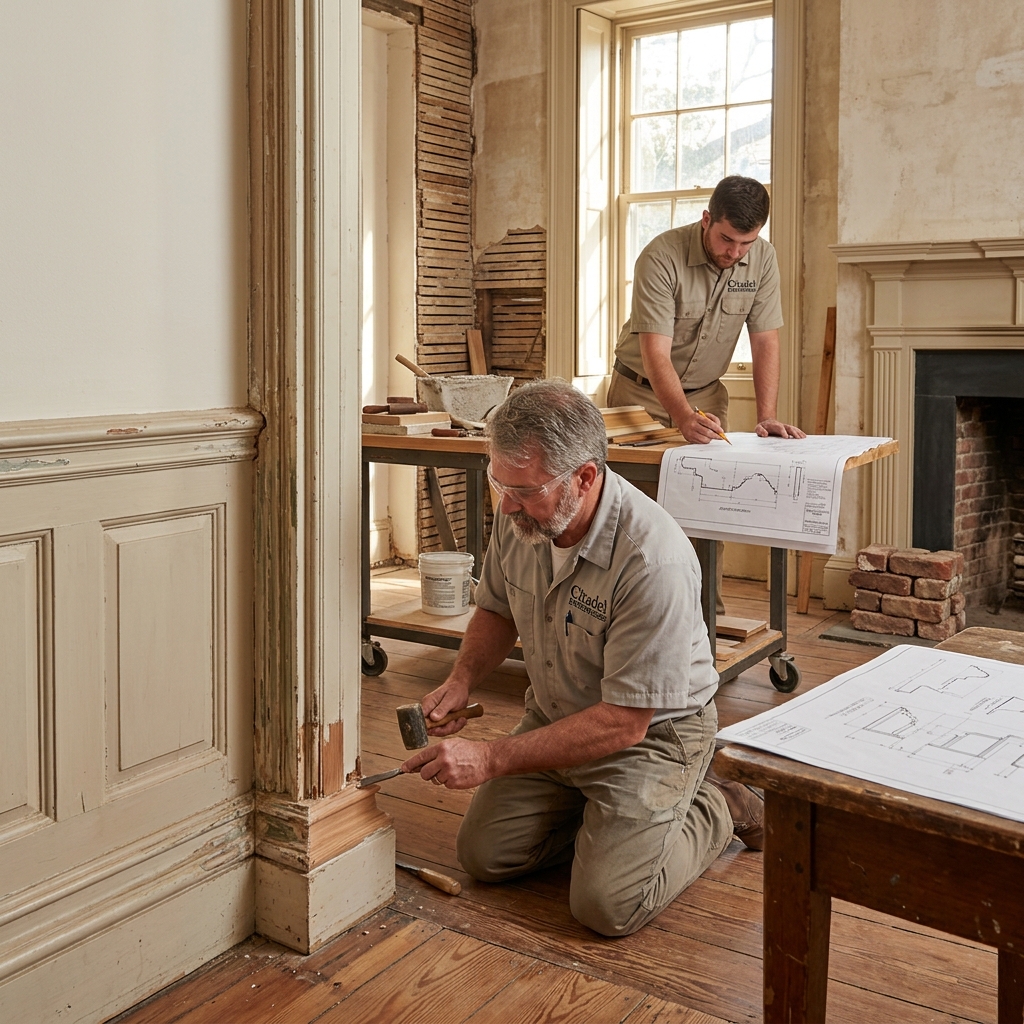
Our design-build process embeds the builder perspective into design decisions from day one. Our team includes structural engineers, craftspeople, and designers working together. When our designer proposes a solution, our builder can identify practical challenges immediately. This prevents costly revisions and ensures designs remain feasible and budget-conscious.
For historic work specifically, this integrated approach means we’re considering restoration techniques, material sourcing, and construction phasing as we design. We understand the cost implications of different preservation strategies. We can suggest alternatives that achieve your goals while respecting both the historic fabric and your budget.
We’ve also found that design-build reduces the number of unforeseen conditions because we conduct thorough pre-construction investigations together. Our engineer and lead carpenter examine the property side-by-side, discussing what they’re seeing. This collaborative discovery prevents surprises later.
What to do next: Ask potential contractors whether they employ staff designers and engineers on-site, or whether they outsource design work. In-house expertise usually correlates with better project integration.
Our Three-Step Historic Restoration Planning Process
We approach every historic project through a deliberate three-step process designed specifically to protect both the home’s character and your investment.
Step One: Thorough Investigation and Discovery
This phase takes time but saves money downstream. We conduct detailed inspections examining structural integrity, foundation condition, hidden water damage, material composition, mechanical systems, and original architectural details worth preserving. We document existing conditions photographically and create detailed notes. For significant projects, we may recommend specialized testing like foundation engineering surveys or hazardous material assessments.
During this phase, we’re not just looking for problems. We’re identifying the home’s character-defining features and understanding what makes it architecturally significant. A casual observer might see an old house; our team sees which elements embody the original design intent.
Step Two: Design and Planning with Preservation Goals
Using the discovery information, we work with you to define project goals and prioritize them. Do you want cosmetic updates, functional improvements, comprehensive restoration, or a combination? Which original features matter most to preserve? What’s your realistic budget?
We then create a detailed plan that maps preservation strategies to specific areas. Maybe the kitchen needs updating but the original crown molding should be carefully restored. Perhaps structural reinforcement is necessary while maintaining the appearance of original elements. The plan becomes a roadmap that guides all subsequent work.
Step Three: Phased Construction with Ongoing Refinement
We execute work in phases that make sense for both the home and your household. Early phases often address critical issues like structural concerns or water intrusion before cosmetic work begins. This phasing also allows us to discover remaining hidden conditions methodically rather than all at once.
Throughout construction, we communicate regularly about any adjustments needed. Historic homes sometimes reveal surprises even after discovery, and our process accounts for this reality with built-in flexibility.
What to do next: Request that any contractor provide a written project plan including investigation scope, preservation approach, and construction phasing before you commit.
Kitchen and Bathroom Renovations in Historic Homes
Kitchens and bathrooms present the thorniest restoration challenges because modern functionality and historic authenticity can seem incompatible. We’ve learned to bridge this gap through thoughtful design that integrates contemporary convenience without erasing history.
Historic kitchens were rarely designed for modern cooking. Open them up, and you often find inefficient layouts and deteriorated cabinets. But gutting a historic kitchen destroys authentic character. The solution involves selective modernization: keeping original cabinetry where possible, installing contemporary appliances and plumbing that work alongside period finishes, and designing workflow that serves actual use while respecting the home’s visual integrity.
We approach historic bathroom renovations similarly. Original bathrooms often had beautiful tilework, period fixtures, or architectural details worth preserving. Sometimes we can restore these elements while adding modern functionality. Other times, constraints demand we remove bathroom features carefully, document them, and focus preservation efforts on visible spaces where period details matter most to the home’s character.
Specific strategies we use include installing modern electrical and plumbing infrastructure within walls without removing original wall coverings, using period-appropriate materials and finishes even when systems are contemporary, designing cabinetry that echoes original styles, and selecting fixtures that complement the home’s era and style.
Consider a client with a 1920s kitchen featuring original glass-front cabinets and original tile counters in good condition. Rather than demolishing it, we restored the cabinets, preserved the tile, and carefully inserted modern appliances and plumbing that work invisibly. The kitchen functions beautifully for contemporary cooking while maintaining its authentic character.
What to do next: Photograph your existing kitchen and bathroom details before any contractor begins work. These records help ensure restoration accuracy and give you leverage to guide decisions.
Preserving Original Character While Adding Modern Comfort
The core tension in historic renovation involves respecting a home’s original design intent while adding the conveniences modern families expect. Solving this well requires design skill and honest conversation about priorities.
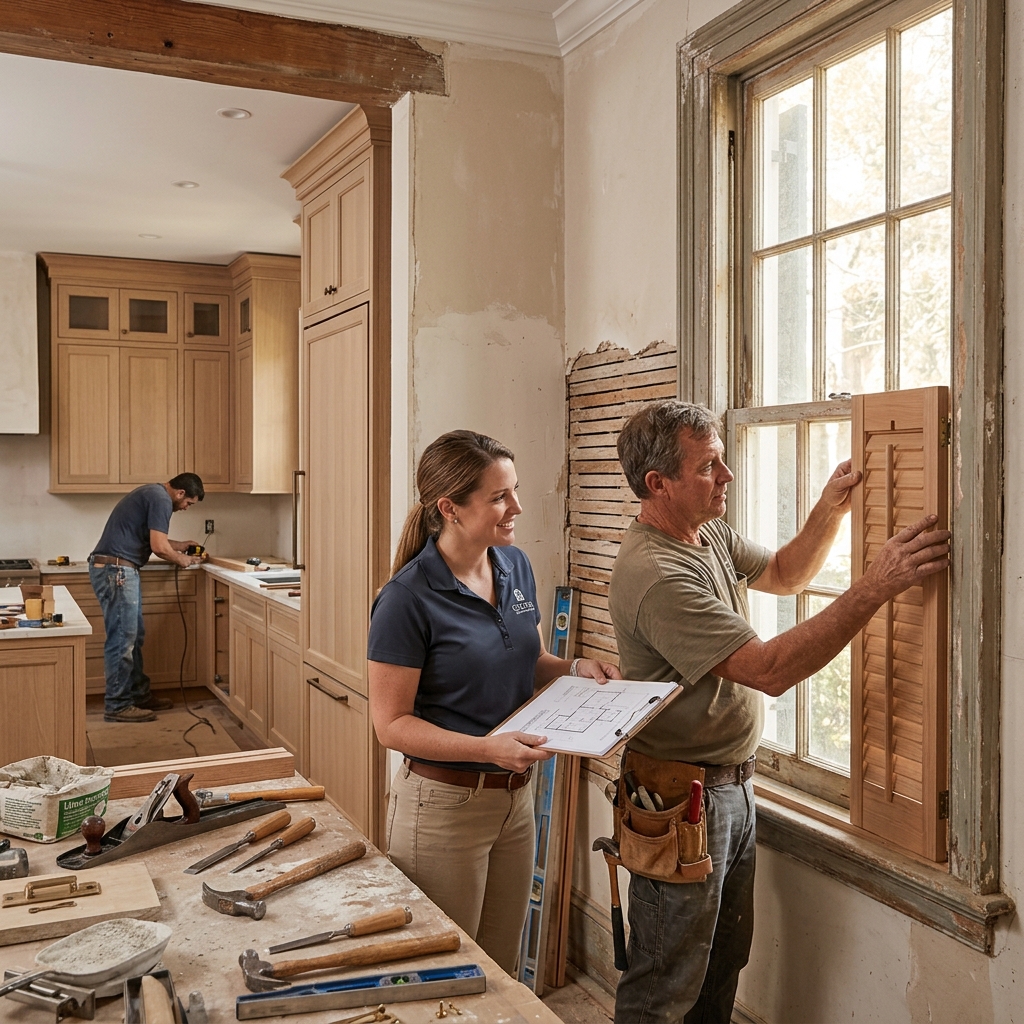
Modern living demands things historic homes weren’t built for: climate control throughout, larger electrical loads, updated plumbing for multiple bathrooms, open-concept living spaces, and accessibility features. Forcing these improvements into historic homes clumsily often destroys more character than necessary.
Thoughtful approaches include adding HVAC systems that conceal ductwork within walls and existing cavities rather than applying it visibly, using period-appropriate trim details around new electrical outlets and switches, installing larger windows for light and views in non-visible elevations while preserving character-defining windows on facades, and creating functional open spaces by removing non-structural partition walls rather than load-bearing walls that define the home’s structural character.
We’ve also found that understanding a home’s timeline helps. A Victorian home underwent significant modifications in the 1920s as the Arts and Crafts movement influenced taste. That home’s “authentic” character might include both Victorian and Craftsman elements. Adding contemporary features that respect the home’s overall aesthetic hierarchy usually works better than rigidly preserving every original element.
One project involved a 1930s home where the original kitchen layout made cooking inefficient by contemporary standards. Rather than reconstructing a purely period kitchen that wouldn’t function, we redesigned the kitchen to improve workflow while keeping all original cabinetry and architectural details visible. The result feels integrated rather than compromised.
What to do next: Visit your home’s local historic district office or review its architectural survey. Understanding your home’s official significance helps guide preservation priorities.
30+ Years of Local Charleston Area Experience
Over three decades in Charleston and Mount Pleasant, we’ve restored hundreds of historic homes, from modest cottages to large estates. This local depth matters more than you might assume.
We understand Charleston’s specific building traditions, architectural styles, and the contractors and craftspeople who specialize in period work. We know local material suppliers who source appropriate brick, millwork, and finishes. We’ve worked with the same structural engineers, historians, and specialists long enough to trust their judgment.
We’ve also navigated the permit and review processes for properties in local historic districts. Each district has slightly different requirements, and knowing these nuances prevents costly revisions and delays. When a project requires approval from a local review board, we understand what they’re looking for and how to present proposals effectively.
Beyond knowledge, longevity builds accountability. We’re still here, and your neighbors know our work. Poor work doesn’t hide in a community where we’ve operated for decades. This creates natural incentive to do every project right, especially since much of our new work comes from referrals.
Our local relationships also mean we can often access skilled tradespeople and specialists quickly. When we need a plaster restoration expert or someone who understands period-appropriate electrical systems, we call someone we know rather than searching broadly.
What to do next: Ask contractors how long they’ve operated locally and request references from projects completed at least five years ago in your specific neighborhood.
How We Handle Complex Historic Property Challenges
Complex historic problems don’t have one-size-fits-all solutions. Structural settling, foundation movement, water damage from decades of deferred maintenance, and hidden damage from past poor repairs all require diagnostic thinking.
Our approach involves layering investigation with experienced judgment. When we encounter settling, we consult structural engineers to understand the mechanism and stability before proposing solutions. Sometimes settling has stabilized decades ago and requires monitoring rather than repair. Other times, active movement demands intervention.
Water damage in historic homes often traces to systems failing silently for years. Old roof leaks leave damage in wall cavities invisible without removal. Blocked foundation drains allow moisture to wick up masonry. Exterior caulk failures compromise carefully designed water management systems. We trace water damage to its source rather than treating symptoms, which often means addressing moisture barriers and drainage before cosmetic repair.
Past repairs sometimes create unexpected challenges. A former owner might have installed modern drywall over original plaster, trapping moisture. Asbestos-containing materials in insulation or flooring require specialized removal. Poor electrical work might have created fire hazards. We conduct thorough pre-construction assessment specifically to identify these problems before construction begins.
One project involved a 1890s home with persistent water damage in the basement. Rather than immediately waterproofing the foundation, we investigated the roof, gutters, grading around the house, and the drainage system. Turns out, clogged gutters and improper grading directed water into the foundation rather than a foundation failure. Fixing gutters and regrading solved the problem far more economically than unnecessary waterproofing.
What to do next: Budget 10-15% contingency on historic projects specifically for unexpected conditions. This realistic reserve prevents budget panic when surprises emerge.
Our Whole-House Addition and Structural Solutions
Historic homes often require physical expansion, whether for additional bedrooms, modern kitchens, or home offices. These additions demand sensitive design that complements the existing architecture while providing functional modern space.
Poor additions immediately announce themselves as afterthoughts, disconnecting visually and functionally from the original home. Good additions feel integral, respecting the original home’s proportions, materials, and architectural language while clearly expressing contemporary design.
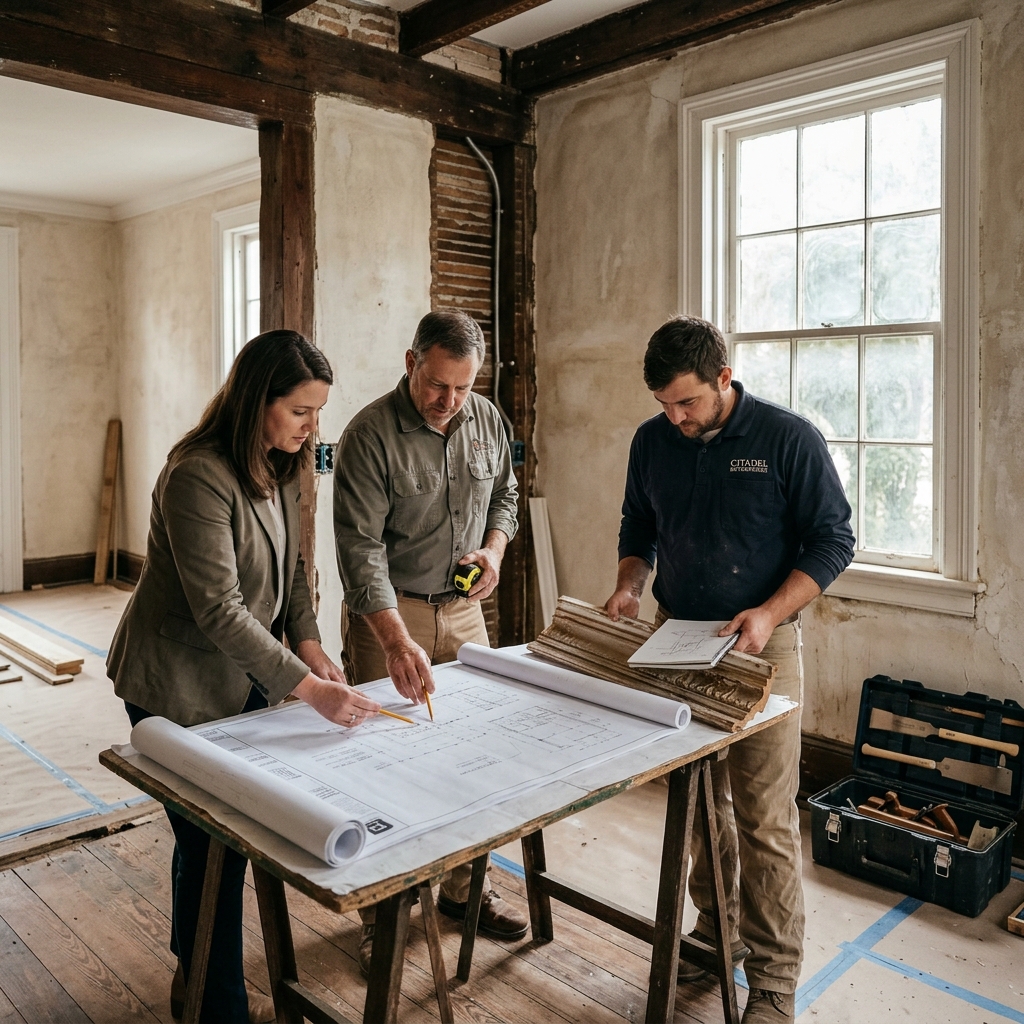
We approach additions by studying the existing home’s architectural vocabulary: roofline angles, window proportions, material transitions, and overall massing. An addition might echo these elements without literally copying them, creating visual continuity while remaining honestly contemporary.
Structurally, additions require understanding the original home’s building system. Connecting new and old framing involves different considerations than connecting two modern structures. We engineer connections that distribute loads properly, accommodate different material movement characteristics, and respect both the original home and the new work.
We also consider how additions affect the existing home’s character. A small addition on a less-visible elevation might have different design constraints than an expansion on a prominent facade. Sometimes removing a later addition reveals original architecture that should be restored rather than further modified.
Mt. Pleasant remodeling work frequently involves whole-house additions because many historic homes in our area lack the square footage modern families need. We’ve completed additions ranging from modest guest suites to significant second floors, each designed to feel intentional and complementary rather than tacked-on.
What to do next: If you’re considering an addition, hire an architect experienced with historic homes to evaluate how expansion affects your property’s character before committing to contractor selection.
The Investment in Quality Historic Preservation
Quality historic work costs more than surface-level renovation, and understanding why prevents sticker shock and poor decisions.
Proper historic restoration requires skilled labor that’s increasingly hard to find. A carpenter who can match original plaster repair techniques, restore historic millwork, or carefully remove and reapply paint costs more than a general carpenter. Structural engineers with historic building experience charge appropriately for their specialized knowledge. Material sourcing for historically appropriate elements takes time and sometimes means importing from specialty suppliers rather than buying off-the-shelf.
Additionally, proper historic work sometimes reveals complexities that require problem-solving rather than quick fixes. That perfect solution might involve three different approaches before finding the right one. This iterative process takes time, but it protects your investment.
The financial benefit of quality historic preservation often isn’t immediately visible. You’re not just buying cosmetic improvement; you’re protecting your home’s long-term durability, structural integrity, and character. Properties with well-executed historic restoration maintain and often appreciate value more reliably than homes with deferred maintenance or poor past repairs.
We’ve also found that property insurance, maintenance costs, and future repair needs often improve with proper historic restoration. A home with a properly restored roof, sound foundation, and functional drainage systems costs less to maintain than one where these systems were ignored.
Think of it this way: you’re not spending more to fix your historic home compared to what shoddy repair costs long-term. You’re spending appropriately for work that lasts and protects your investment.
What to do next: Request detailed cost breakdowns from contractors. Understand where your money goes. If a contractor can’t explain why their estimate differs from others, that’s a warning sign.
Getting Started with Your Historic Home Project
Beginning a historic home restoration project involves several concrete steps that set the foundation for success.
First, clarify your goals and constraints. What do you want to achieve? What’s your realistic budget? How long are you willing to let the project take? What original features matter most to preserve? This clarity helps you evaluate contractors realistically and make good decisions under pressure.
Second, gather documentation about your home. Build records, previous permits, architectural surveys, historic property information, and photographs showing past conditions all help contractors understand your home’s history and significance. If your property is in a historic district, obtain copies of any design review guidelines.
Third, vet contractors carefully. Interview multiple firms. Ask about their specific experience with homes like yours, their design-build process or approach, how they handle unexpected conditions, their timeline expectations, and their warranty coverage. Request references and call them. Visit completed projects if possible.
Fourth, expect the discovery phase to reveal things. Budget contingency and maintain flexibility about timeline. Your contractor should keep you informed as conditions emerge rather than surprising you with cost increases.
Finally, maintain realistic expectations about the pace. Quality historic work can’t be rushed. Projects typically take longer than new construction, and that’s usually a good sign rather than a problem.
We’re here to help guide this process. Our team has worked through these challenges hundreds of times, and we’re happy to discuss your specific situation. Whether you’re beginning to explore ideas or ready to move forward, we can help you understand what your historic home needs and how to preserve it properly for decades to come.
What to do next: Schedule a consultation with a qualified historic contractor to walk through your home together. This conversation should help you understand your property’s actual condition and the realistic scope of work before any financial commitment.