
Why Homeowners Choose Addition Builders for Expanded Living Space
When families outgrow their homes, they face a pivotal decision: relocate or expand. Over three decades, we’ve worked with thousands of Charleston and Mount Pleasant homeowners who chose to stay and add what they needed. A well-executed whole house addition doesn’t just create square footage; it transforms how your family lives while preserving the home you’ve already invested in.
We understand the distinct challenges of building in coastal South Carolina. Salt air, historic architectural requirements, lot constraints, and building codes unique to our region demand specialized knowledge. That’s where our design-build approach and local expertise become invaluable assets for your project.
The equation is straightforward: moving costs money, disrupts your life, and often means leaving a neighborhood you love. Adding to your existing home keeps you rooted while solving the space problem.
Homeowners typically pursue additions for several practical reasons. A growing family needs more bedrooms. Work-from-home arrangements demand dedicated office space. Aging parents moving in require an accessory dwelling unit. An outdated kitchen limits entertaining. Each scenario calls for thoughtful expansion rather than displacement.
Beyond lifestyle flexibility, additions preserve equity in a way moving doesn’t. You’re building on land you already own and improving a property you understand. Market data consistently shows that quality additions return 60-80% of their cost in resale value, making them a sound financial move alongside the immediate quality-of-life benefits.
The difference between a DIY expansion and a professionally planned addition is stark. Structural integrity, code compliance, aesthetic cohesion with your existing home, proper permitting, and coordinated trades all require expertise. A poorly executed addition can actually diminish property value and create ongoing maintenance headaches. That’s why selecting experienced whole house addition builders matters profoundly.
Action step: Assess your space needs by listing specific gaps (bedrooms, bathrooms, kitchen size, office area) and how each would improve your daily life. This clarity guides conversations with builders.
The Challenges of Planning a Whole House Addition
Most homeowners underestimate the complexity hiding beneath “adding a room.” Each challenge interweaves structural, design, regulatory, and logistical factors.
Foundation and structural integration tops the list. Your existing home has a foundation designed for specific loads. An addition must tie into that structure properly, accounting for soil composition, water management, and bearing walls. Mount Pleasant’s sandy soil and coastal moisture create unique challenges that generic builders miss. We’ve seen additions crack and shift within years because contractors ignored proper foundation engineering and grading for our specific environment.
Coastal building codes are stricter than inland requirements. Hurricane-resistant construction standards, elevated floor requirements in some zones, salt-air-resistant materials, and wind-load engineering all add layers of complexity. Historic properties face additional constraints: appearance requirements, setback regulations, and preservation guidelines that prevent simple box-shaped expansions.
Aesthetic integration demands real design skill. An addition that matches your home’s architectural language, roofline, materials, and proportions looks intentional rather than tacked-on. A modern addition to a 1920s bungalow or a traditional addition to a contemporary farmhouse each requires different thinking.
Utility routing challenges emerge early: extending electrical service, HVAC systems, plumbing lines, and data infrastructure through walls and under slabs requires planning before framing begins. Missed coordination here leads to costly rework and delays.
Permitting and approval timelines vary by project scope and local jurisdiction. Historic district reviews, variance requests, or environmental assessments can extend timelines significantly. Understanding your property’s regulatory context upfront prevents surprises mid-project.
Finally, containing construction disruption while living in your home demands logistical choreography. Dust barriers, temporary utilities, and traffic flows need careful planning so your family can function during the build.
Action step: Before approaching builders, verify your property’s zoning designation, historic district status (if applicable), and any deed restrictions that might affect addition plans.
Our Design-Build Approach to Home Additions
We’ve integrated design and construction into a single process specifically because additions require this seamlessness. Traditional design-bid-build separates architects from contractors; our approach keeps them collaborating from day one.
Here’s how it works: our designer meets with you to understand how you live and what specific spaces would improve that. We’re not just adding square footage; we’re creating functional rooms that integrate with your existing home. During these conversations, we’re already thinking like builders, identifying structural realities and cost implications early rather than presenting pie-in-the-sky designs that can’t be built reasonably.
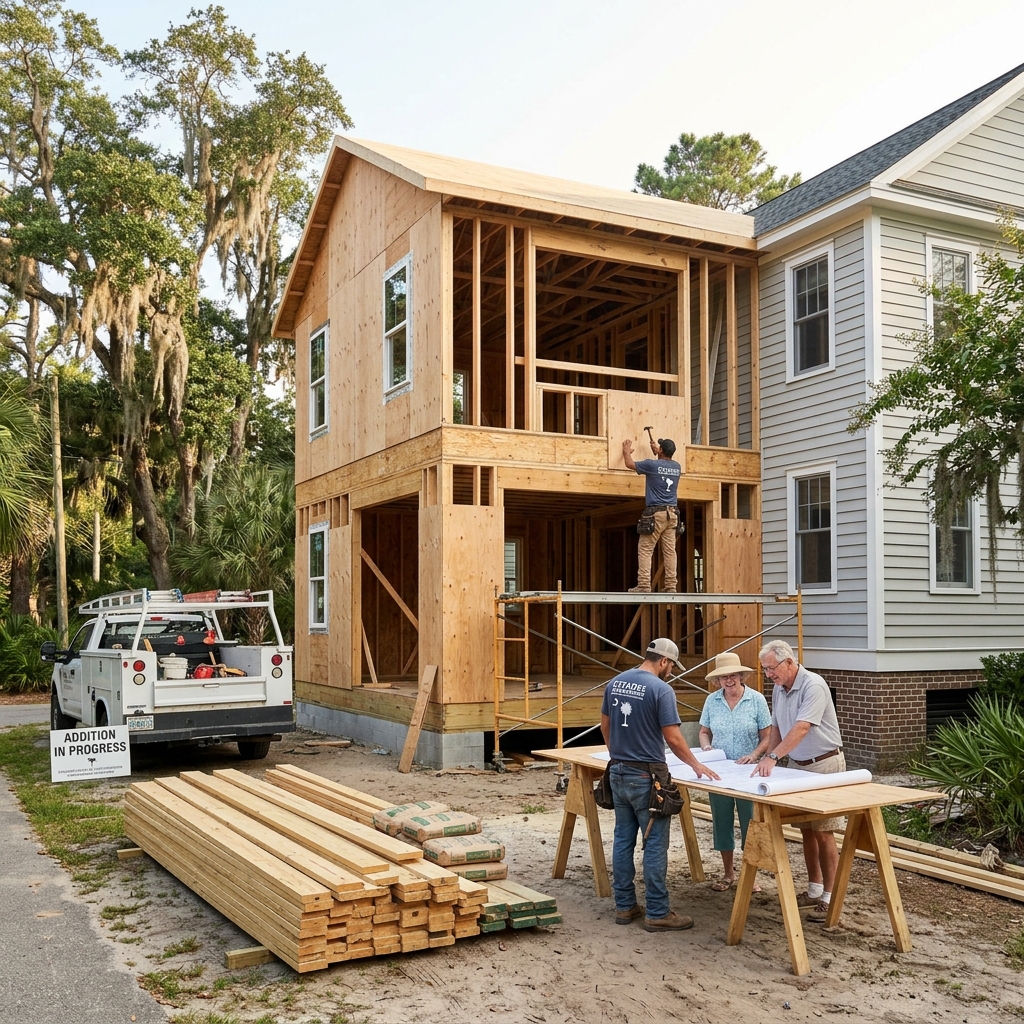
The design phase moves quickly through iterations. We might explore three different footprints for a primary suite addition, comparing how each impacts your roof line, exterior appearance, and interior traffic flow. Client feedback shapes these options; we’re collaborating, not presenting a single vision.
Once design direction solidifies, our construction team refines it with detailed engineering. This is where our 30+ years in the field prevents costly mistakes. We identify load-bearing walls, plan structural connections, map utility routes, and calculate material quantities. The design becomes a construction-ready blueprint, not a conceptual sketch that construction has to reinterpret.
Cost transparency emerges naturally in this process. You understand trade-offs: spending more on roofing material that lasts longer versus repainting sooner; choosing expensive foundation engineering upfront versus risking settlement issues later. These decisions happen with full information, not as surprises during construction.
As design-build home remodelers, we take ownership of the entire project timeline and quality. If structural issues emerge during construction, we solve them directly rather than passing responsibility between architect and contractor. This accountability keeps projects on track and budgets intact.
Action step: When meeting with builders, ask how they integrate design decisions with construction realities. A builder who separates these functions creates coordination gaps that cost you time and money.
How We Handle Historic Home Additions in Coastal Properties
Historic homes define Charleston’s character, and many of our clients own these cherished properties. Adding to a 1850s Victorian or an early-twentieth-century craftsman requires a completely different mindset than expanding a contemporary ranch.
Historic district guidelines dictate much of what’s possible. In most cases, you can’t simply match materials and proportions to the existing home; you must reference them while making the addition read as contemporary. A new wing shouldn’t pretend to be original; it should respect the original while expressing honest modern construction. This distinction feels subtle but guides every design decision.
Material selection becomes consequential. Original wood siding, brick, or architectural details can’t be replicated exactly because those materials and manufacturing methods no longer exist. We source authentic alternatives that reference original materials while respecting modern building codes. A historic addition using cable railing alongside period-appropriate column spacing, for example, clearly indicates “addition” while maintaining visual harmony.
Structural tie-ins to historic homes demand careful assessment. Original foundations weren’t engineered to modern standards; they often shift slightly over 100+ years. We evaluate the existing structure, understand its limitations, and design additions that don’t force loads onto compromised areas. Sometimes this means independent foundation systems for additions, isolating new construction from old-home movements.
Coastal conditions intensify historic preservation challenges. Salt-air corrosion, wind exposure, and moisture management in older homes require vigilant material choices and detail planning. We specify finishes and construction methods that resist this environment far better than standard approaches would.
Permits and approvals extend timelines for historic properties. Your local historic district commission typically requires design approval before construction starts. We’ve shepherded dozens of these applications and know how to present proposals that satisfy preservation committees while delivering what you need functionally.
Action step: If you own a historic property, request references from builders who have successfully added to comparable homes in your neighborhood; they understand the specific approval process and design language required.
Kitchen and Bathroom Additions We Complete
Kitchen and bathroom additions are among the most impactful expansions we undertake. These spaces define daily life and command significant attention in the design-build process.
Kitchen additions frequently expand an existing kitchen into adjacent space or create a new kitchen wing entirely. The scope varies tremendously: you might add 100 square feet for an enlarged pantry and island, or 300+ square feet for a separate breakfast area and expanded prep space. Each scenario requires careful utility planning. Gas, electrical, plumbing, and ventilation all need precise routing to support new appliances and fixtures. We coordinate these systems during the design phase so nothing gets missed during construction.
Layout logic drives kitchen design. A poorly arranged addition-kitchen creates workflow problems that persist for decades. We consider the cook’s path (refrigerator to sink to stove), counter progression, traffic flow around islands, and storage accessibility. A kitchen that flows naturally reduces daily frustration and increases the value of your expanded space.
Bathroom additions serve different functions. Some homeowners add a primary bath to a secondary bedroom; others expand existing bathrooms. A powder room addition serves entertaining needs; an ensuite bath with a walk-in closet transforms a bedroom’s functionality. The design differs substantially in each case, and the plumbing requirements vary accordingly.
Material selections for kitchen and bathroom additions deserve special consideration. These spaces generate moisture, heat, and hard use. Tile choices, ventilation strategies, waterproofing details, and fixture quality determine whether your addition resists mold and wear for decades or shows problems within years. Our material specifications account for the humid coastal environment; we’ve learned which products perform and which fail here.
Action step: Create a detailed list of how you’ll actually use the new space (cooking frequency, entertaining style, family size, aging-in-place needs) and share this with your builder; it should drive layout and material decisions throughout the design.
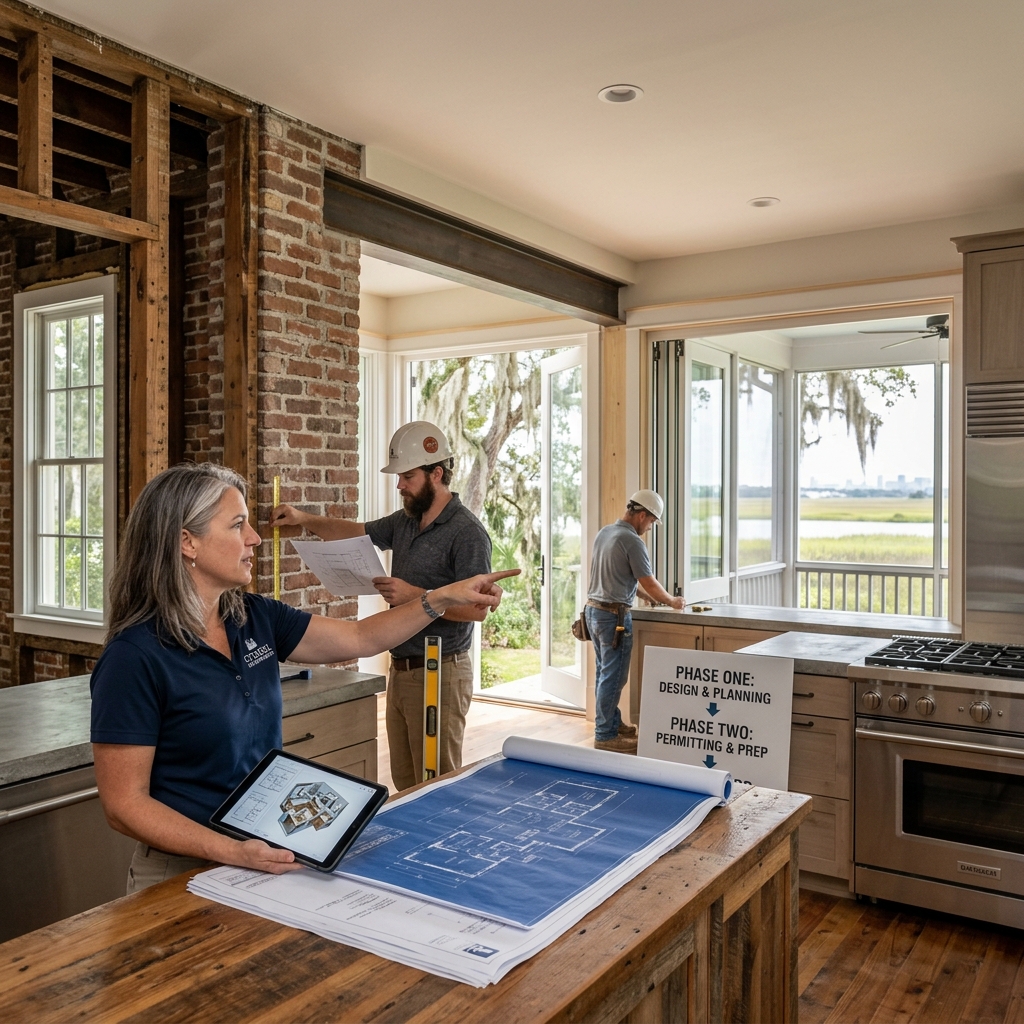
The Three-Step Project Planning Process We Use
Our approach to addition projects follows three deliberately sequenced phases that reduce uncertainty and keep clients informed throughout.
Phase One: Design and Planning begins with comprehensive conversations about your vision, budget parameters, and timeline. Our designer develops 2D and 3D renderings showing how the addition looks from exterior angles and how interior spaces connect to your existing home. We obtain preliminary pricing for major systems and identify any code or site challenges early. This phase culminates in a detailed set of construction drawings and specifications that could theoretically be shopped to other contractors (though we hope you won’t). You understand exactly what you’re building and what it will cost before committing to construction.
Phase Two: Permitting and Pre-Construction moves the approved design through local approval processes. We handle all submissions, work with the planning department on any questions, and obtain necessary permits before a single nail is driven. This phase typically requires 4-8 weeks depending on complexity. Once permits arrive, we conduct pre-construction meetings with all involved trades, establish material delivery schedules, and prepare your property for construction. Dust barriers go up, temporary utilities are established, and site logistics are planned in detail.
Phase Three: Construction and Closeout is where designs become physical reality. Regular job meetings keep communication flowing; you’ll see progress weekly. Inspections happen at critical junctures (foundation, framing, mechanical rough-in, final) to ensure everything meets code and specification. As construction concludes, we conduct a detailed final walkthrough, address any punch-list items, and ensure all guarantees and warranties are properly documented.
This three-step structure prevents the surprises that derail timelines and budgets. Each phase completes with full client understanding before the next begins. You’re never blindsided by scope changes, hidden costs, or unexpected complexity.
Action step: Ask prospective builders to walk you through their planning process in detail; compare how transparent and comprehensive their approach is relative to our three-step method.
Timeline and Budget Management for Your Addition Project
Realistic timelines and budget control separate good projects from stressful ones.
Design and permitting typically require 8-12 weeks depending on complexity. Historic properties or those requiring variance approvals run longer. We provide preliminary timelines early and communicate if delays emerge. Once permits arrive, construction usually begins within 2-4 weeks. The actual construction timeline varies dramatically: a 400-square-foot bedroom addition might take 8-12 weeks; a 2,000-square-foot kitchen-and-living-room expansion might require 20-24 weeks.
Coastal weather affects timelines. Hurricane season (June-November) can delay framing, roofing, and exterior work; we plan accordingly and carry insurance that protects your project during these periods. Nor’easters or extended rain delay exterior work and foundation curing.
Material availability impacts schedules increasingly. Custom cabinetry, specialty windows, and certain finishes require longer lead times. We order critical materials during the design phase when possible, preventing bottlenecks that compress other timelines.
Budgeting for additions succeeds through transparency and contingency. Our initial pricing reflects realistic costs for quality work; we’re not bidding artificially low to win projects. We establish a contingency (typically 10-15% of total project cost) that covers unforeseen structural conditions, material price fluctuations, or scope adjustments. This cushion prevents mid-project financial stress.
Change-order discipline matters significantly. We track every modification to scope and immediately communicate cost and timeline impacts. You approve changes in writing before work proceeds, preventing budget creep. Sometimes we’ll identify cost-saving alternatives during construction and present those options for your consideration.
Progress billing aligns payments with work completion. You’re not funding material purchases months in advance; you’re paying as we proceed. Monthly invoices reflect work completed and materials on-site. This approach protects both parties and provides natural checkpoints to address any concerns.
Action step: Request a preliminary timeline and budget range from builders before signing contracts; ensure they explain assumptions underlying both numbers.
Quality Craftsmanship and Long-Term Property Value
An addition built to minimum code standards will function but probably won’t age gracefully or serve you well decades hence. We build to standards that exceed code because that’s what creates lasting value.
Structural details illustrate this philosophy. Building code might permit certain connection methods; we often exceed these requirements because we know which approaches resist coastal humidity and salt air better. Additional blocking in framing, heavy-gauge fasteners, and strategic bracing might add minimal cost during construction but prevent problems years later.
Material choices reflect long-term thinking. Pressure-treated lumber specifications, flashing details, and exterior finish systems all account for coastal conditions. We’ve weathered enough salt-air exposure and humidity cycles to know which choices last. A deck built with standard treated lumber might fail within 10 years in our environment; one built with salt-treated lumber lasts 25+.
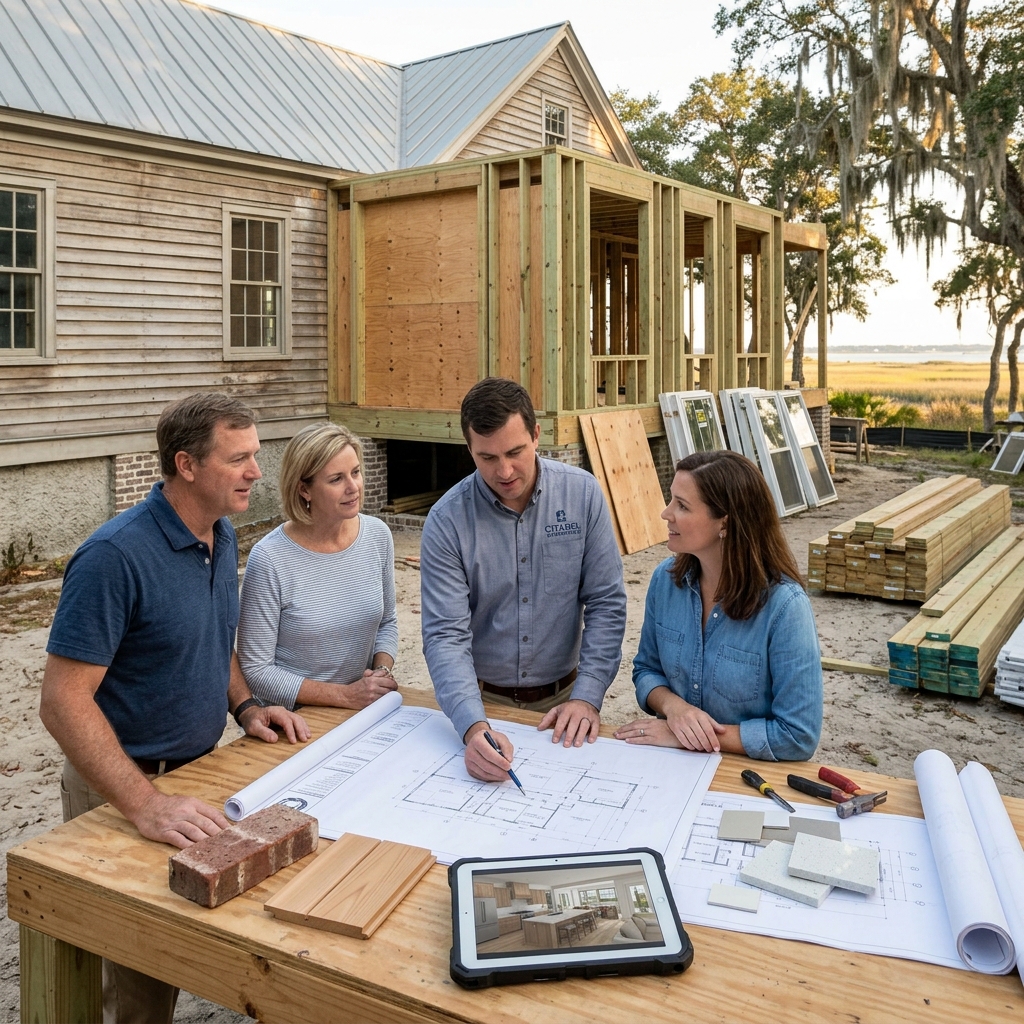
Interior finishes benefit from this same logic. HVAC ductwork is properly sealed and insulated; it’s not left exposed or poorly supported. Electrical wiring is routed thoughtfully to minimize future access issues. Plumbing uses quality fixtures and straps that prevent noise and vibration. These details are largely invisible post-construction, but they determine whether your addition performs reliably or generates complaints over years.
Workmanship quality is non-negotiable. Our craftspeople take pride in finishing details: caulk lines are clean, paint is executed without drips, trim is installed without gaps. These details signal quality throughout the project; clients can see that we care about excellence in what’s visible, which builds confidence in what’s hidden.
Attention to these details supports resale value. When future buyers evaluate an addition, they notice quality finishes, well-executed connections, and attention to detail. They understand that a well-built addition required significant investment and expertise. This perception translates to higher appraisals and buyer confidence.
Action step: During site visits, examine how contractors finish details you can see; it reveals their standards for work you can’t see.
Why Local Experience Matters for Coastal Renovations
Thirty years building in Charleston and Mount Pleasant has taught us lessons you can’t learn elsewhere.
Coastal soil composition varies dramatically across our region. Some areas have stable clay; others have loose sand requiring deeper foundations or specialized pilings. Peat deposits create settling risks that demand unique engineering. We understand where these soil types exist and design accordingly. A builder new to our area might not.
Salt-air corrosion patterns differ from inland regions. Metal fasteners that would last 50 years inland corrode within 10 years here unless proper materials are specified. Wood species tolerate this environment differently. We’ve seen what fails and what endures; our material selections reflect this accumulated knowledge.
Historic preservation guidelines vary by neighborhood within our region. What the historic district commission accepts in one Mount Pleasant neighborhood differs slightly in another and substantially in downtown Charleston. We’ve worked with these approval bodies for decades; we know their preferences and present applications that satisfy their concerns while delivering client functionality.
Local suppliers and tradespeople know our standards and environment. Our relationships with roofers, electricians, plumbers, and material suppliers ensure that work is executed consistently and that quality is maintained. A contractor unfamiliar with local trades might struggle to coordinate effectively.
Building departments across our region have subtle differences in code interpretation. We understand these nuances and design to satisfy local requirements without unnecessary over-specification. This knowledge prevents rejection of permit applications and keeps projects on schedule.
Coastal weather patterns affect project planning and scheduling. We know which months favor certain work types, how hurricane season impacts material ordering and crews, and which weather conditions demand protective measures. This seasonal knowledge prevents costly delays and improves project outcomes.
Finally, we understand our community. We’re not passing through; we’re committed to this region and our reputation depends on satisfied neighbors and community relationships. This investment in local reputation drives our standards and reliability.
Action step: Ask any prospective builder how long they’ve worked in our specific area and request references from projects in your neighborhood; local experience creates measurably better outcomes.
Start Your Whole House Addition Project With Us
An addition project is significant, and selecting the right partner determines whether you’ll be satisfied for decades or frustrated for years. We invite you to explore how we might expand your home thoughtfully and expertly.
Our first conversation is exploratory and free. We’ll listen to your vision, assess your property, identify potential challenges, and discuss whether our approach aligns with your needs. There’s no obligation and no pressure to move forward. Many homeowners benefit from this initial consultation even if they ultimately work with someone else.
If you’d like to move forward, we’ll propose a design phase contract that outlines our role, timeline, and fee. You’ll receive detailed renderings and specifications that clearly show what we’re building and what it will cost. You’ll understand the project completely before construction begins.
Our team brings three decades of experience, a commitment to quality craftsmanship, and deep knowledge of coastal construction. We understand how to expand homes thoughtfully while preserving their character. We navigate permitting and historic requirements efficiently. We manage timelines and budgets with discipline and transparency.
Whether you’re considering adding a primary suite, expanding your kitchen, creating an office wing, or building a complete second story, we have the expertise and track record to deliver excellence.
Reach out today to discuss your addition project. Let’s explore how expanded space might improve your home and your family’s daily life.