
The materials in a remodel decide how a home looks on move-in day and how it holds up ten humid summers later. In Charleston and Mt. Pleasant, salt air and moisture quickly expose the difference between a good choice and a cheap one, so material selection is a major part of any whole-home remodel. Builder-grade options can be tempting, but they are rarely the best fit for a house near the water.
So why do high-end materials matter, and how do you choose the right ones?
Quick Answer: High-end materials matter because they tend to last longer, age better, and feel more solid in daily use, which reduces early replacements. In the Lowcountry, the right choice also resists humidity, salt air, and heat. Choose by matching each material to its location in the house, its upkeep, and your style, and rely on proper installation, since even the best material fails if it is installed poorly.
Table of Contents
- What Makes a Material High-End?
- Why Do Materials Face a Tougher Test in the Lowcountry?
- How Do Better Materials Improve the Look of a Home?
- Do High-End Materials Add Value to a Home?
- How Do Common Material Choices Compare?
- Are High-End Materials More Sustainable?
- How Do You Select the Right Materials for Your Home?
- How Do You Protect High-End Materials After the Remodel?
What Makes a Material High-End?
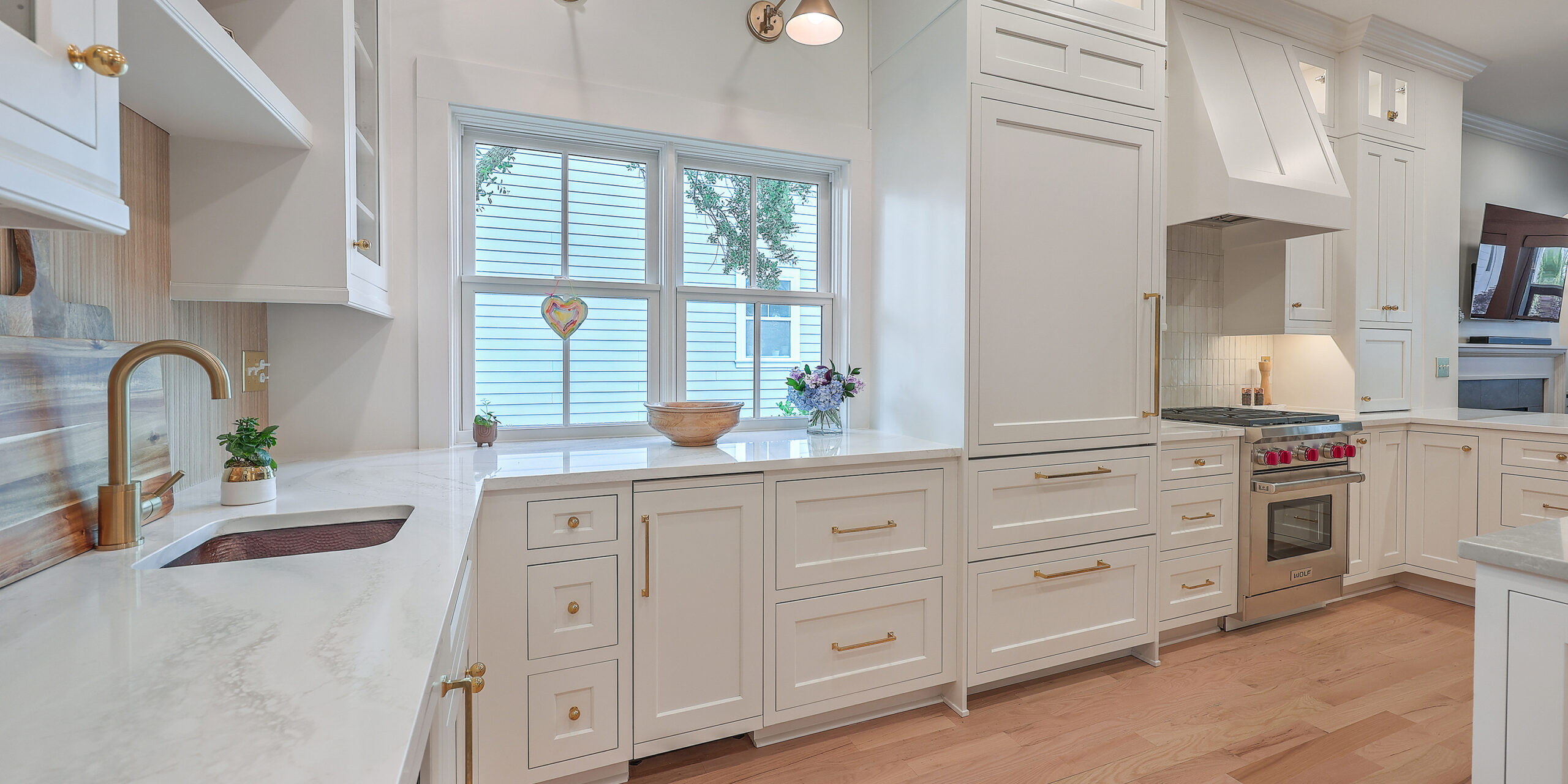
A material is high-end when its quality shows in how it is made, how it wears, and how long it stays in service. Solid wood, natural stone, and well-made fixtures are the usual examples. They generally resist the early failures that frustrate homeowners, such as peeling veneer on a cabinet or laminate flooring that lifts at the seams.
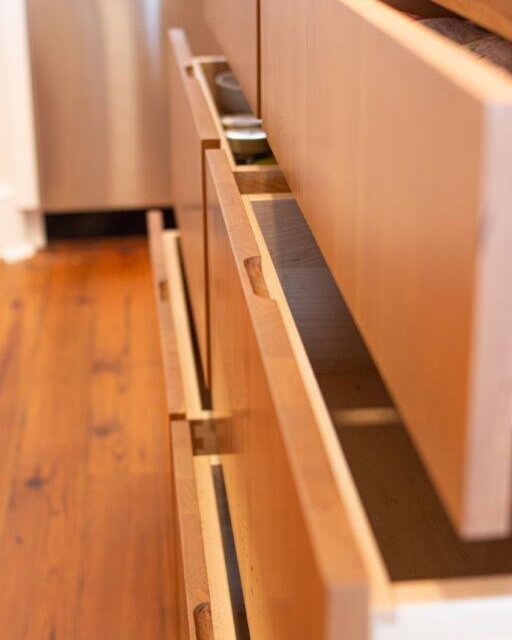
Craftsmanship is part of the difference. Solid wood cabinetry built by skilled makers tends to show more attention to detail than mass-produced options, and that care shows up in the fit of doors, joints, and finishes.
Why Do Materials Face a Tougher Test in the Lowcountry?
Materials face a tougher test here because humidity, salt air, heat, and storms work on them all year. Fasteners corrode, wood moves with moisture, and finishes on the water side of a house wear faster than those facing inland. A product that performs well elsewhere can disappoint on the coast.
That means a high-end choice here is one suited to the location, along with being attractive. Stainless or other corrosion-resistant hardware on a porch can matter more than a designer label, and our article on resilient coastal construction explains why.
How Do Better Materials Improve the Look of a Home?
Better materials improve the look of a home by staying attractive after trends fade. Builder-grade products can look fine at first and then show wear quickly. Carrara marble, solid oak, and custom steelwork are examples of materials that keep their appeal over time, though each has its own upkeep.
Premium materials also open the door to customization. Built-ins, custom millwork, and tailored metalwork give a home a character that catalog products cannot match. Our team compares and installs these details as part of our remodeling services.
Do High-End Materials Add Value to a Home?
High-end materials can add value by improving how a home looks and feels and by reducing the need for early replacement. Buyers and appraisers notice quality, though the effect varies by house, neighborhood, and market, so we do not promise a specific return.
A bathroom shows the idea well. Good fixtures and real stone surfaces change how the room feels every day, and when they are installed properly they should stay in service for many years. Spend where your hands and eyes land most often, and be practical elsewhere. Our article on budgeting for a renovation can help you set those priorities.
How Do Common Material Choices Compare?
Common material choices differ mostly in durability, upkeep, and how they handle moisture. The table below offers a general comparison for Lowcountry homes, and the right answer always depends on the room and how you use it.
| Material | Strength | Consider |
|---|---|---|
| Solid wood | Warm look, can be refinished | Moves with humidity, so climate control matters |
| Natural stone | Unique look, long life | Needs sealing and care for some stones |
| Marble | Classic appearance | Can etch and stain, so plan for patina |
| Stainless hardware | Resists salt air corrosion | Grade matters near the water |
| Custom steelwork | Distinctive detail | Exterior use needs a suitable finish |
Are High-End Materials More Sustainable?
High-end materials can be more sustainable when they last longer and get replaced less often, though it depends on the product. Durable materials send less waste to the landfill. Reclaimed wood and responsibly sourced stone or wood are good options if sourcing matters to you, and bamboo is another choice for the right setting.
A higher price alone does not guarantee responsible sourcing, so ask your supplier where a product comes from.
How Do You Select the Right Materials for Your Home?
Select the right materials by matching each one to its location, its upkeep, and the style of the house. Begin with a list of the surfaces you use the most, then ask how each option handles moisture, sun, and daily wear. See real samples in your own light, since stone and wood can look quite different at home.
Sourcing, design, and installation all take experience, and the best material fails when it is installed poorly. As we like to say, if we would not put it in our mom’s home, we will not put it in yours. Design-build helps here because selections get made alongside the plans, and our whole house renovation planning guide shows where those decisions fit.
How Do You Protect High-End Materials After the Remodel?
You protect high-end materials with regular cleaning, resealing where needed, and steady control of indoor humidity. Stone may need periodic sealing, and exterior wood needs finishes renewed before they fail. Our property maintenance team can handle this upkeep, and our seasonal maintenance tips lay out what to do throughout the year.